The best game design book is The Art of Game Design: A Book of Lenses by Jesse Schell, followed by Tracy Fullerton’s Game Design Workshop and Raph Koster’s A Theory of Fun for Game Design. Behind them come a friendly beginner’s guide, a 688-page theory textbook, books on the psychology of players, the craft of making controls feel good and the math behind game economies, and a full course in building prototypes in Unity. If you want books about games themselves (their history, the people who make them, and the best novels about them), see our list of the best books about video games.
We ranked these on three things: standing (how often teachers and working designers point new designers to a book, and whether its publisher still keeps it current), how well it teaches today, and how useful it is to someone who wants to design games, from a first paper prototype to a job on a team. Every book here is on sale new today in print or as an ebook. Design textbooks are revised often, so each entry names the current edition, and that is the one to buy.
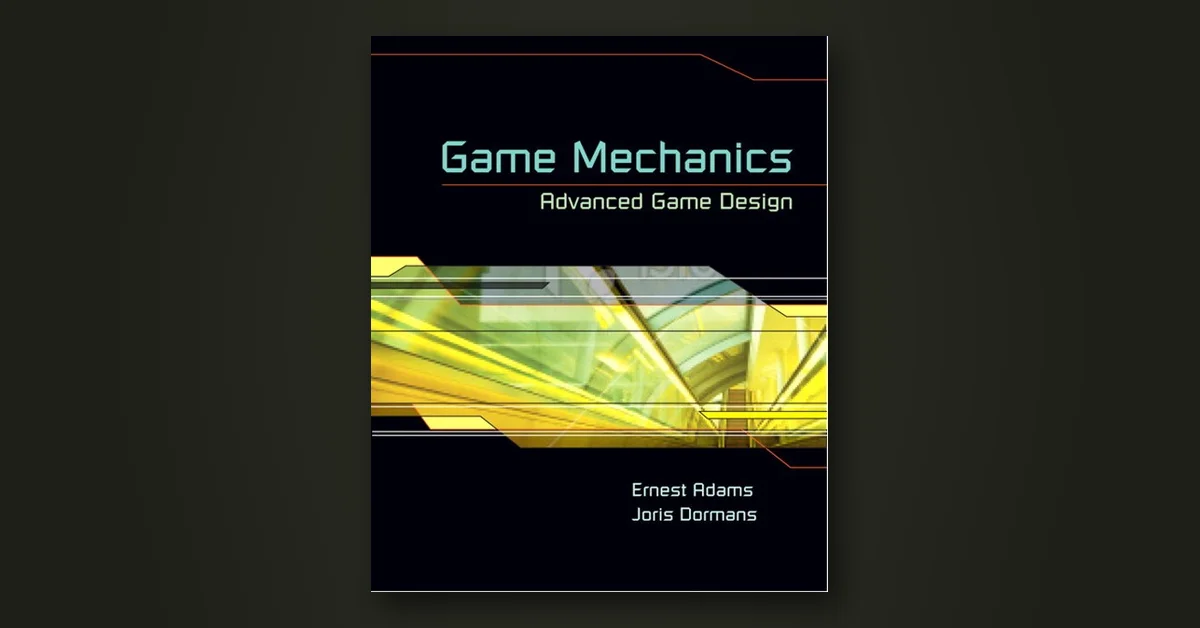
10. Game Mechanics
Authors: Ernest Adams and Joris Dormans (New Riders, 2012). Best for: designers who want to model a game’s economy and balance it before writing any code.
Game Mechanics: Advanced Game Design is the most technical book on this list, and it earns its place with a tool no other pick offers: Machinations, Dormans’s diagram language for mapping how resources flow through a game. The book uses it to model Pac-Man, run simulated playtests of Monopoly and pick apart the economy of Caesar III, and it ends with a library of design patterns such as engine building, attrition and arms races. Its chapters on emergence versus progression and on lock-and-key level design make it useful well beyond economies. It ranks last only because it is the least approachable book here and its print edition is out of print, though Pearson still sells the ebook.
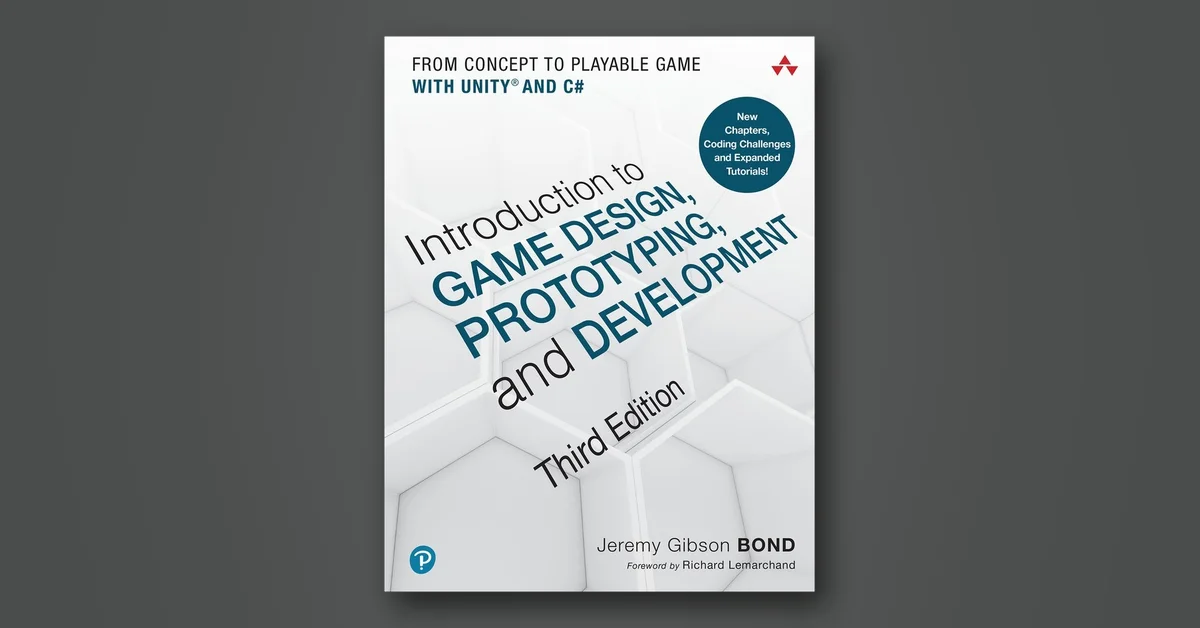
9. Introduction to Game Design, Prototyping, and Development
Author: Jeremy Gibson Bond (Addison-Wesley, third edition, 2022). Best for: beginners who want to learn design and start building games in Unity at the same time.
This is the pick for anyone looking for a game development book rather than a pure design book. Bond’s third edition runs to nearly 1,300 pages in four parts: game design and paper prototyping (with chapters on playtesting, balancing with spreadsheets and puzzle design), C# programming in Unity from the basics, five complete prototype tutorials (an arcade game, a casual physics game, a space shooter, a solitaire card game and a top-down adventure), and a set of coding challenges for moving on to your own projects. Its examples use Unity 2020.3 LTS, an older release than the one you will download today, so some menus and features will differ. Nothing else here takes you from a design idea to a playable build.
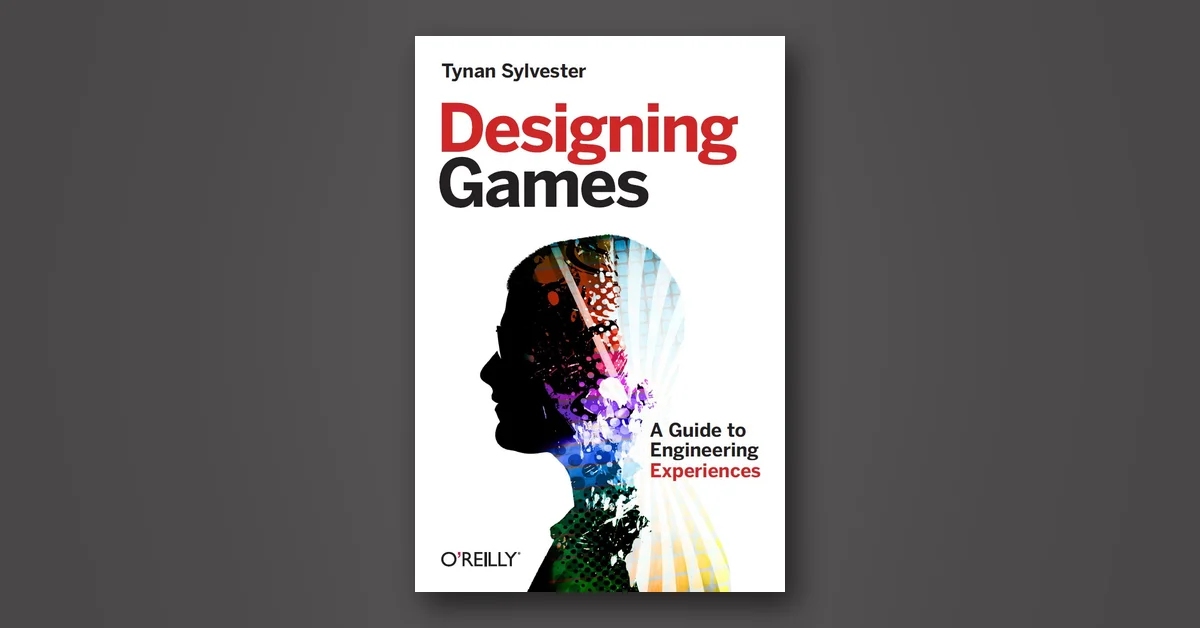
8. Designing Games
Author: Tynan Sylvester (O’Reilly, 2013). Best for: working designers who want sharper ways to weigh every design decision.
Designing Games: A Guide to Engineering Experiences treats games as systems for generating experiences rather than packaged ones, and explains how they stir emotion through events like victory, defeat, threat, friendship and betrayal. The middle of the book is pure craft: finding elegant solutions, making a game both accessible and deep, scheduling rewards without warping the choices players make, and telling stories through scripts, explorable worlds or emergent events. The last part covers the day-to-day process, from iteration and planning to team decisions and motivation. Sylvester went on to found Ludeon Studios and make RimWorld, a colony sim that generates its stories by simulation.
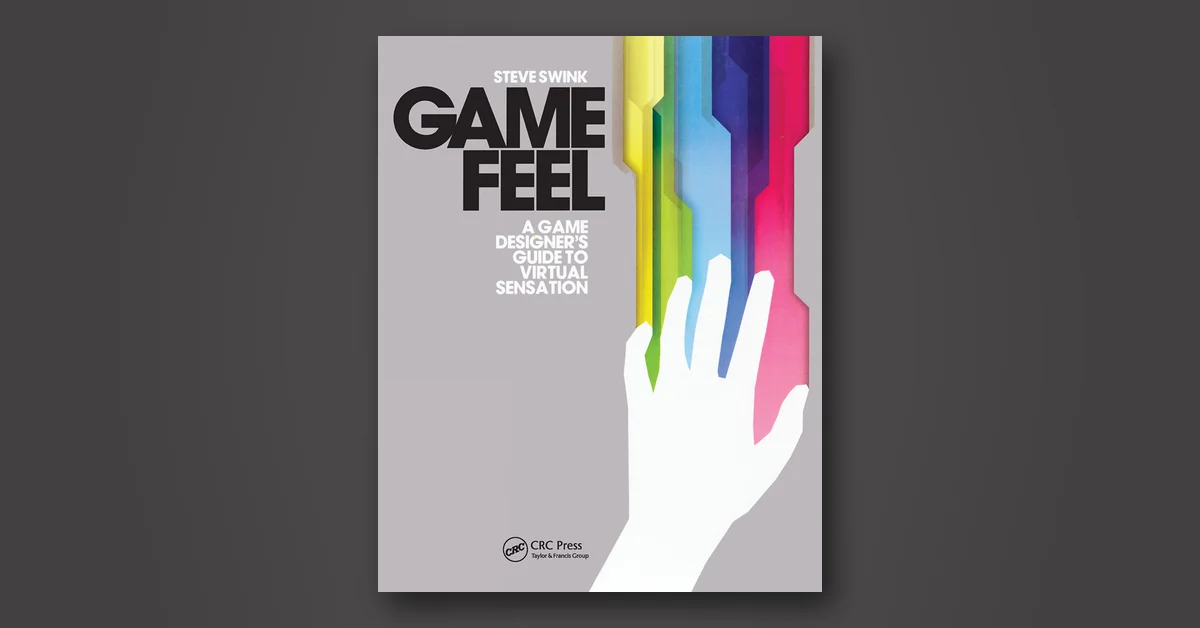
7. Game Feel
Author: Steve Swink (Morgan Kaufmann, 2008; now published by CRC Press). Best for: designers working on action games, platformers and anything where the controls make or break the game.
Game Feel: A Game Designer’s Guide to Virtual Sensation is the book on why steering a character can feel good or bad before anything else in a game matters. Swink calls feel a hidden language in game design, as basic to games as chord progressions are to music, and builds it up from the role of sound, supporting effects, metaphor and how people perceive things, with a brief history of feel in games along the way. He also draws a clear line around his subject, setting aside games such as Civilization, Solitaire and The Sims that do not focus on feel. It is the narrowest book on this list, but no other pick spends this long on the moment-to-moment sensation of play.
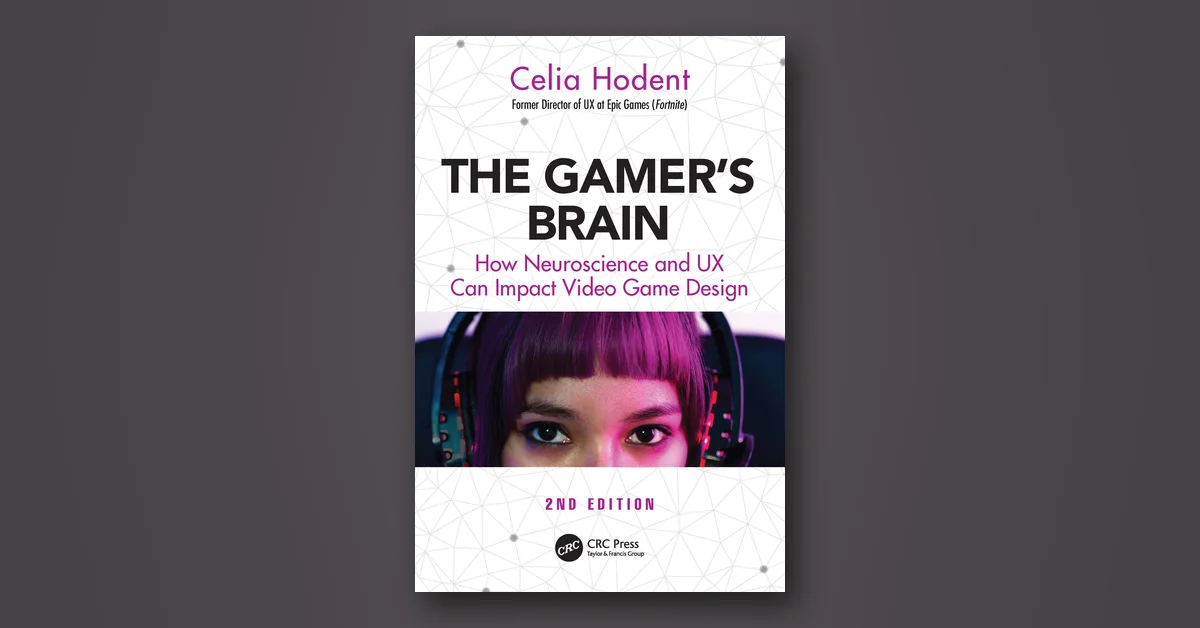
6. The Gamer’s Brain
Author: Celia Hodent (CRC Press, second edition, 2026). Best for: designers who want to understand how players perceive, learn and stay motivated.
The Gamer’s Brain: How Neuroscience and UX Can Impact Video Game Design is the newest book here, revised for a second edition in 2026. Hodent, a psychologist who worked at Ubisoft and LucasArts and was director of UX at Epic Games, splits it in two: first how the brain works (perception, memory, attention, motivation, emotion and learning), then a UX framework for games built on usability and what she calls engageability, with chapters on design thinking, user research, analytics and UX strategy. The new edition adds coverage of VR, AR and AI and a chapter on ethics in design and monetization. The publisher holds up Fortnite as a game that thrives on refined UX, and no book on this list is better on how players learn a game and why they get lost in one.
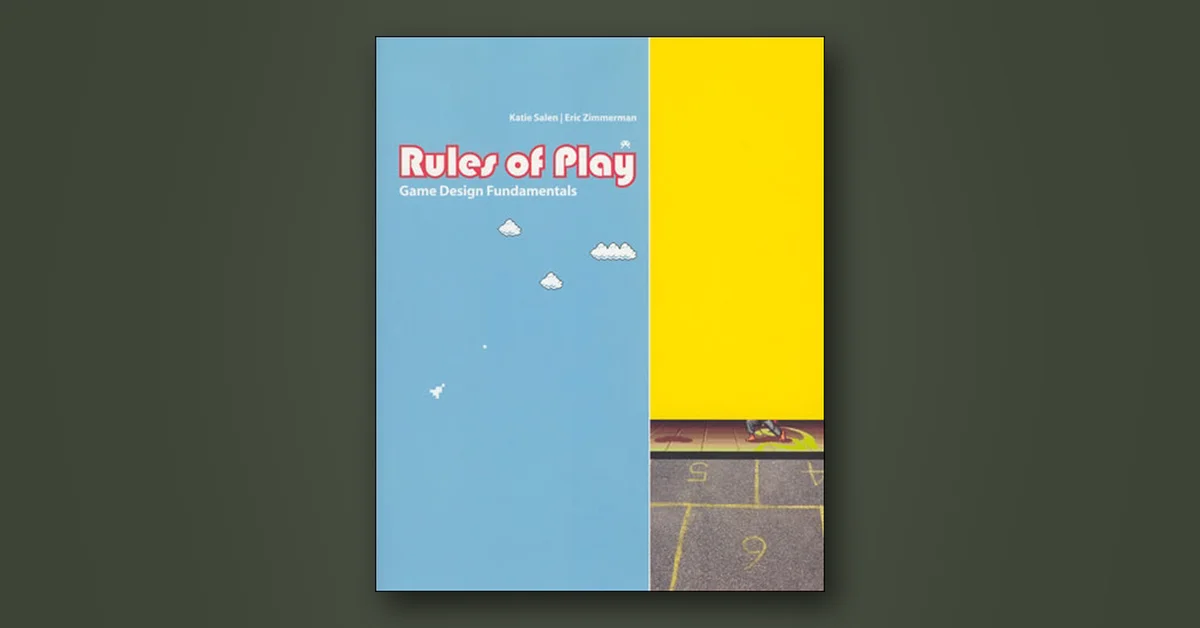
5. Rules of Play
Authors: Katie Salen (now Katie Salen Tekinbaş) and Eric Zimmerman (MIT Press, 2003). Best for: students and designers who want the theory underneath every kind of game.
Rules of Play: Game Design Fundamentals is the most ambitious book on this list: a 688-page textbook that offers one model for looking at every kind of game, from board games and sports to video games. Salen and Zimmerman define core terms like play, design and interactivity, then look at games through 18 game design schemas, frameworks that treat a game as a system of emergence and information, a context for social play, a storytelling medium or a site of cultural resistance. It is dense, and it teaches you how to think about games more than how to finish one this month, which is why it sits mid-list. MIT Press also publishes a companion anthology, The Game Design Reader.
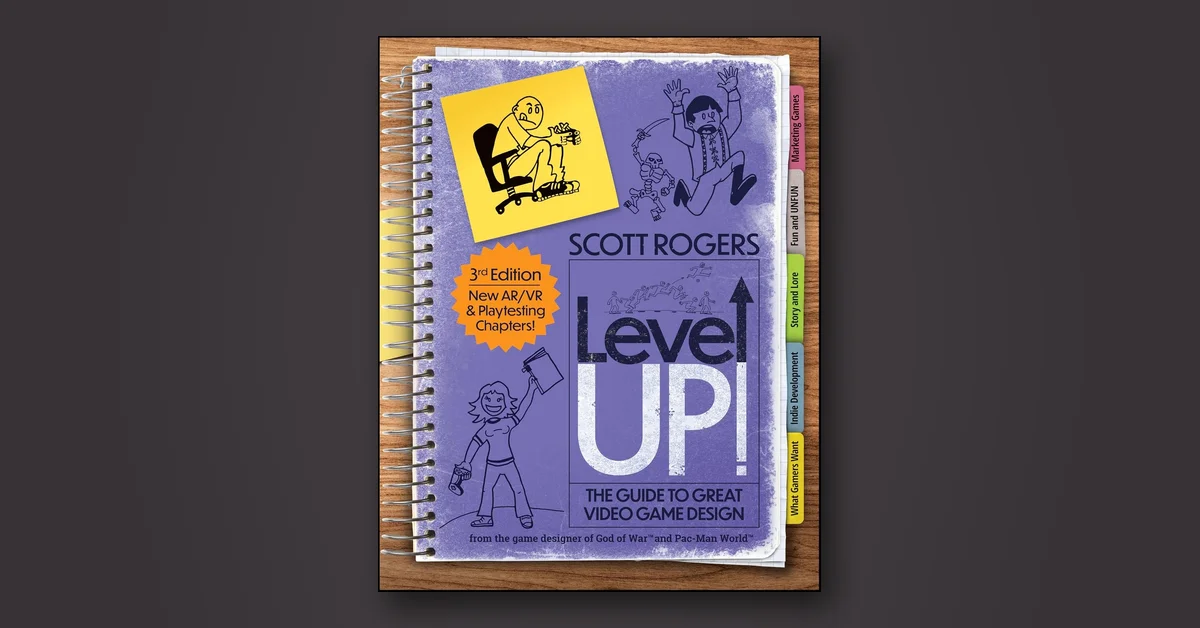
4. Level Up!
Author: Scott Rogers (Wiley, third edition, 2024). Best for: beginners who want a practical, light-hearted walk through designing a video game from idea to release.
Level Up! The Guide to Great Video Game Design is the friendliest big book here. Rogers, who designed for Pac-Man World, God of War, Maximo and SpongeBob SquarePants, skips the theory for working advice, illustrated with cartoons throughout: how to develop an idea, what goes wrong in pre-production, production and post-production, and how to design levels, controls and enemies that keep players challenged. The third edition, out in late 2024, adds new AR, VR and playtesting chapters and covers monetizing a game from the design up, and its examples reach recent games like Balatro and Baldur’s Gate 3. If you are only going to buy one book to start with, make it this one or the book at number three.
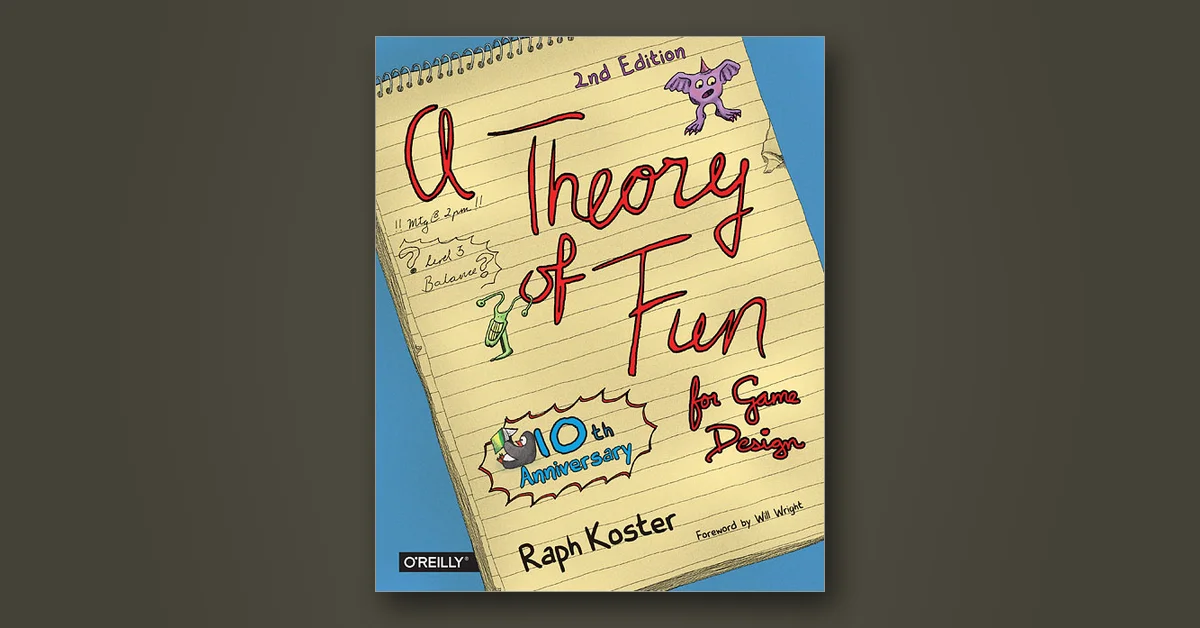
3. A Theory of Fun for Game Design
Author: Raph Koster (O’Reilly, second edition, 2013). Best for: anyone who wants to understand why games are fun before learning how to make one.
A Theory of Fun is the shortest book in our top five and the easiest to hand to a beginner. Koster, a designer on Ultima Online and Star Wars Galaxies, argues that fun is the feeling of learning: a game holds us while our brains are still working out its patterns and turns dull once we have mastered them, an idea he opens with children who lose interest in tic-tac-toe as soon as they see through it. From there it widens into why games matter. Cartoons run throughout, and it moves quickly. The current edition is O’Reilly’s fully revised, full-color tenth anniversary edition, with a foreword by Will Wright, and it is the version to buy.
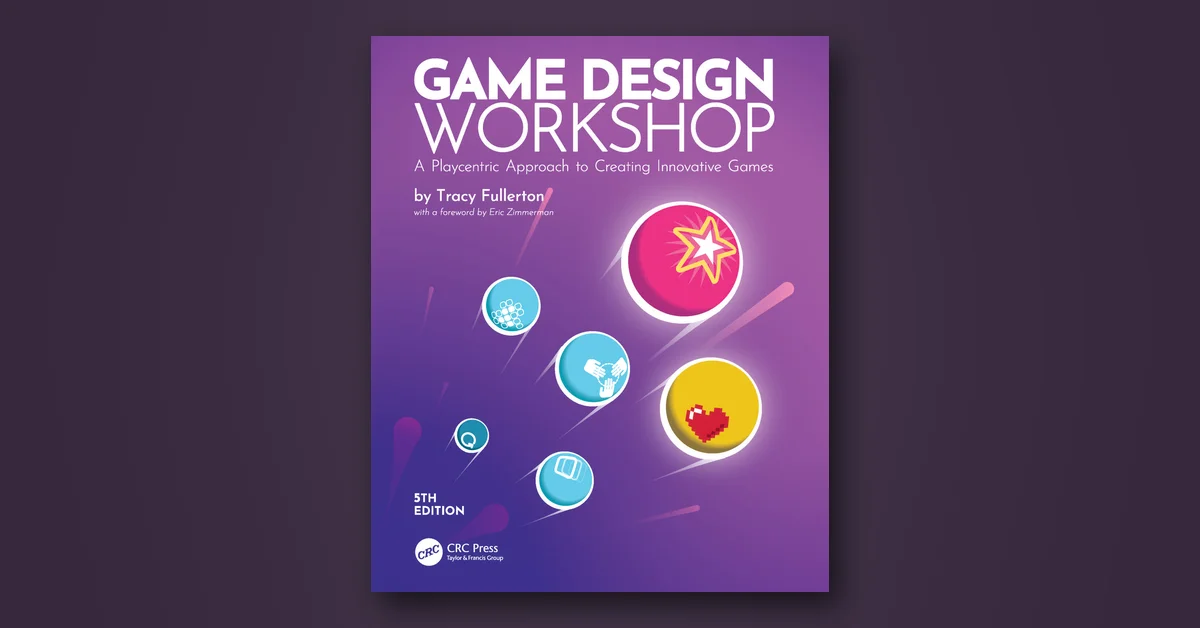
2. Game Design Workshop
Author: Tracy Fullerton (CRC Press, fifth edition, 2024). Best for: beginners and students who learn best by making things, with no programming or art skills required.
Game Design Workshop: A Playcentric Approach to Creating Innovative Games is the most hands-on book in our top three. Fullerton, a professor at the USC School of Cinematic Arts, founding director (now emeritus) of its games program and the designer of Walden, a game, teaches design through exercises: you prototype, playtest and revise your own games while learning how their formal, dramatic and dynamic elements fit together, without needing to program. The 2024 fifth edition adds deeper coverage of setting emotion-focused experience goals and new perspectives from industry designers, and it keeps its chapters on team structures, communicating your designs and selling yourself and your ideas to the industry. In praise printed by the publisher, thatgamecompany’s Jenova Chen calls it his first game design textbook.
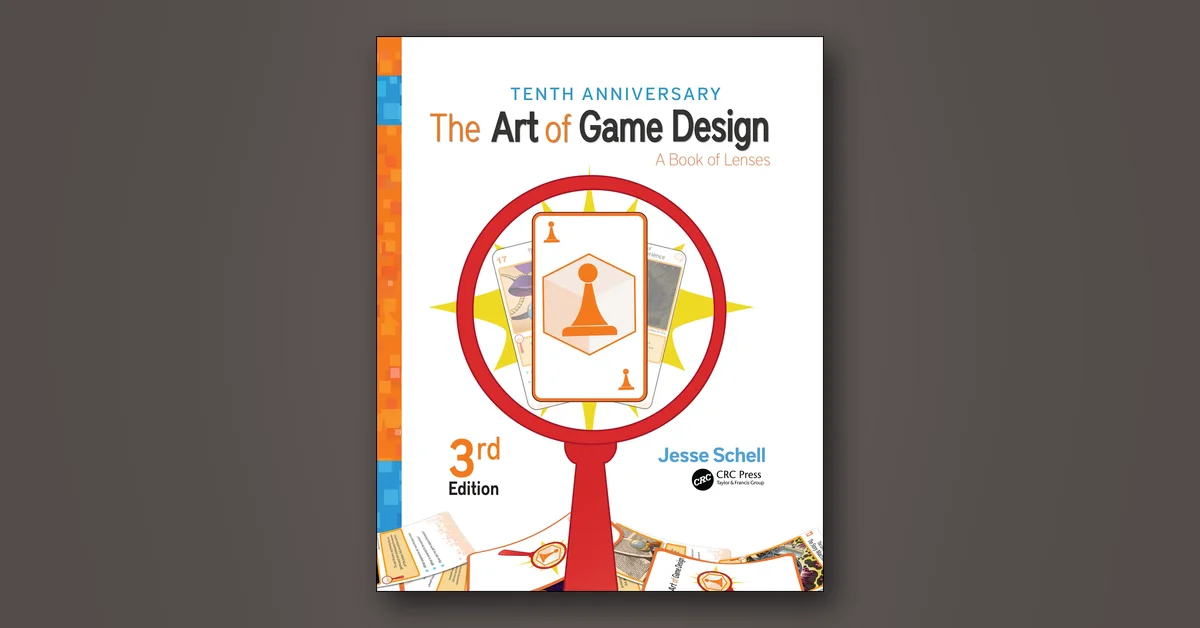
1. The Art of Game Design
Author: Jesse Schell (CRC Press, third edition, 2019). Best for: every designer, from first-timers to professionals who want a set of questions to run any project through.
The Art of Game Design: A Book of Lenses is the best game design book because it works for almost anyone who picks it up. Schell, a professor at Carnegie Mellon’s Entertainment Technology Center, CEO of Schell Games and a former creative director of the Walt Disney Imagineering Virtual Reality Studio, builds the whole book around more than 100 lenses: sets of questions to ask yourself as you build, play and change a game until the design holds up. Because the lenses are questions rather than rules, they fit a board game, a phone game or a VR project equally well.
It also covers more ground than any other book here. Its chapters move from the designer and the experience they want to create, through mechanics, balance, puzzles, interfaces, interest curves, story, worlds and characters, to the team, documents, playtesting, technology, pitching to a client and making a profit, and it closes on how games transform their players and the responsibilities that brings. Along the way it shows how the tactics of classic board, card and athletic games carry over to video games. The third edition adds examples from VR and AR, free-to-play and hybrid games, and modern games such as Uncharted 4 and The Last of Us. If you buy one game design book, buy this one.
Best Game Design Books for Beginners
Start with A Theory of Fun for Game Design: it is short, and it explains what you are trying to make before you try to make it. Then pick up Level Up!, which walks through designing a video game in plain language, or Game Design Workshop if you would rather learn by working through exercises. Move on to The Art of Game Design once you have a project of your own, since its lenses are most useful with a real design in front of you.
If you want to build games as well as design them, Introduction to Game Design, Prototyping, and Development is the game development book for beginners on this list: it teaches C# and Unity from the basics alongside design. Keep Rules of Play, Game Feel, Designing Games and Game Mechanics for later, since each goes deep on one subject and rewards some background first. Modding is another cheap way to practice, and our list of the best moddable games on PC is a good place to find a game to start on.
How We Chose
We ranked each book on its standing with the teachers and working designers who recommend it, on how well it teaches today, and on its fit for people who want to design games rather than read about the industry. Every pick is sold new right now, and we named the current edition because older editions of these textbooks are still easy to find secondhand. We left out Challenges for Game Designers by Brenda Romero (credited as Brenda Brathwaite) and Ian Schreiber, a classic exercise book whose original edition is out of print and whose later reissue we could not confirm on a publisher’s page. The Game Designer’s Workbook by Bobby Lockhart and Eric Lang (Wiley, 2025) is a promising pencil-and-paper exercise book, but it is too new to rank against books that have been taught for a decade or more.
Frequently Asked Questions
What is the best game design book? The Art of Game Design: A Book of Lenses by Jesse Schell, now in its third edition. It covers the whole design process and gives you more than 100 sets of questions to test any game against. Game Design Workshop and A Theory of Fun for Game Design come next.
What is the best game design book for beginners? Start with A Theory of Fun for Game Design, which is short and explains what makes games fun, then move on to Level Up! or Game Design Workshop. Both are written for people starting out, and Game Design Workshop needs no programming or art skills.
What are the best game development books for beginners? Introduction to Game Design, Prototyping, and Development by Jeremy Gibson Bond, which teaches design, C# and Unity together and walks you through building five prototype games. Level Up! is the best companion on the design side.
Are there good books about video game design that need no programming? Yes. Game Design Workshop teaches design through exercises that need no programming or art experience, and every other book on this list apart from Bond’s Unity course is about design rather than code.
Which edition of The Art of Game Design should I buy? The third edition from CRC Press, which is the current one. It added examples from VR and AR, free-to-play games and modern games like Uncharted 4 and The Last of Us.
What are the best new game design books in 2026? The Gamer’s Brain came out in a revised second edition in 2026, and Game Design Workshop (fifth edition) and Level Up! (third edition) were both updated in 2024. All three are on this list.
Is Rules of Play good for beginners? It works better as a second or third book. It is a 688-page theory textbook that teaches you how to think about every kind of game, so it pays off most once you have designed a game or two.