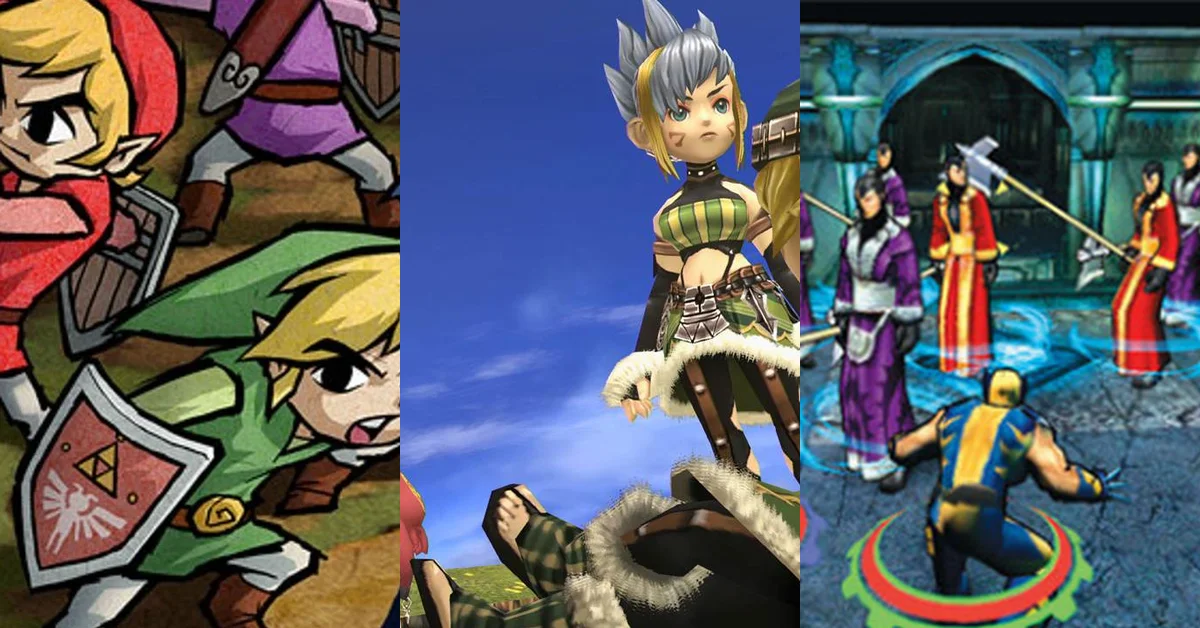
The best 3-player co-op game on GameCube is The Legend of Zelda: Four Swords Adventures, followed by Final Fantasy Crystal Chronicles and X-Men Legends II: Rise of Apocalypse. X-Men Legends, Shrek 2, Phantasy Star Online Episode I and II, Hunter: The Reckoning and Tales of Symphonia round out the top eight, and further down come squad shooters, arcade collections, cartoon brawlers and, last, the modes where three humans team up against the computer.
A group of three has a specific problem on the GameCube: many of its best co-op games stop at two players. Ikaruga, Baldur’s Gate: Dark Alliance, both LEGO Star Wars games, Star Wars Rogue Squadron III: Rebel Strike, James Bond 007: Everything or Nothing, The Lord of the Rings: The Return of the King, Serious Sam: Next Encounter, Batman: Rise of Sin Tzu and Pikmin 2’s Challenge Mode are all two-player only, and the story modes of both TimeSplitters games take two as well, so only their arcade modes qualify here. Party games such as Mario Party are out, and Mario Kart: Double Dash!! pairs only two racers per kart. Every pick lets three people play on the same side at the same time on one GameCube, with nobody online. True co-op games come first, and below them sit the sports and arena games where three humans share a team against the computer. We ranked them on how well they work for exactly three, with critical reception settling close calls.
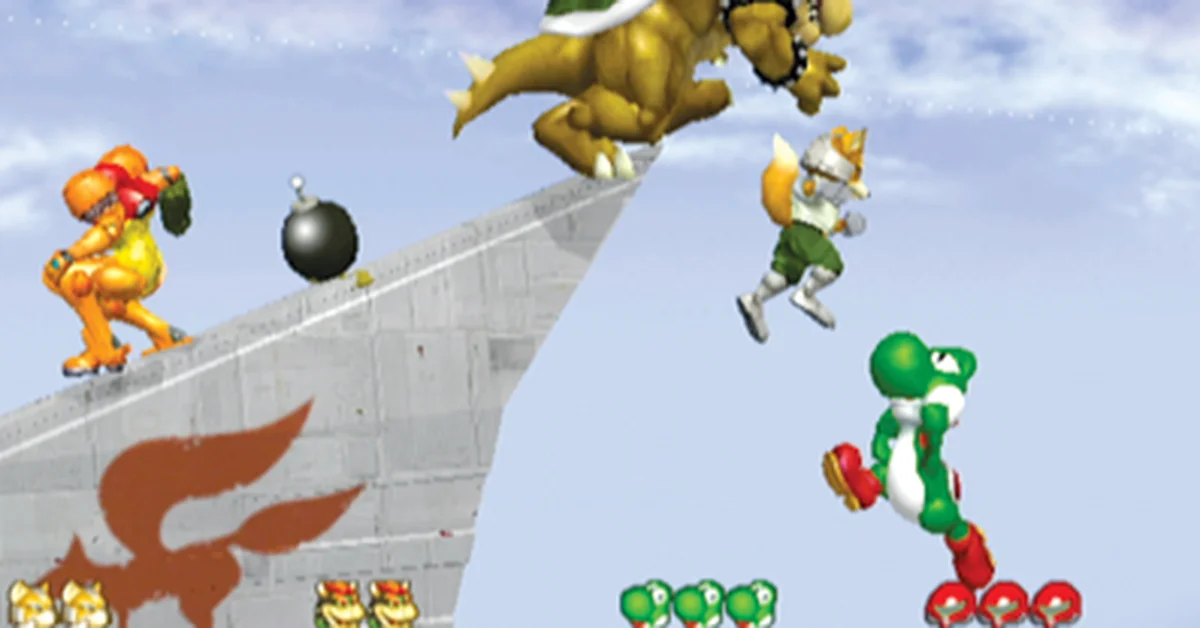
25. Super Smash Bros. Melee
Co-op: Up to four players on one screen; in Team Battle, three humans can share a team against a computer fighter set anywhere from level 1 to 9. A versus fighting game with no co-op campaign, so this is team play against the computer.
Super Smash Bros. Melee is a fighting game, so it would not qualify at all if not for Team Battle. Set the match to teams, put all three humans on one color and give the fourth slot to a computer fighter, whose skill runs from level 1 to level 9, and the group has a boss fight of its own making. Raising that level as the trio improves turns it into a running challenge, and items, stages and stock counts can all be tuned as well. Nintendo billed it as the ultimate four-player fighting game, and it remains one of the GameCube’s best-loved discs, but it ranks last here because teaming up is a setting rather than the point of the game.
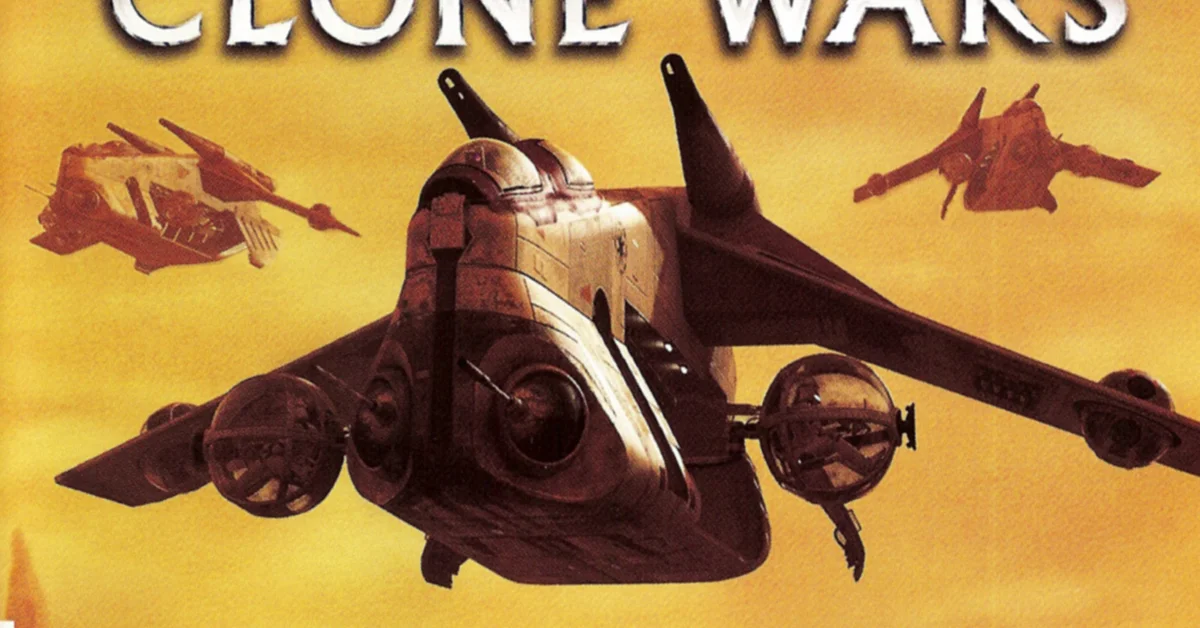
24. Star Wars: The Clone Wars
Co-op: Up to four players in split screen in the Academy survival mode, defending together against waves of computer enemies, with a duel between the players after every third round; the campaign is single-player. Team play against the computer rather than a co-op campaign.
Pandemic’s Star Wars: The Clone Wars is a single-player campaign at heart, with Anakin Skywalker, Obi-Wan Kenobi and Mace Windu piloting vehicles and fighting on foot. Its group mode is Academy, a survival game for up to four in split screen. The vehicle version is played on the planet Thule, and the on-foot version in the Petranaki Arena on Geonosis from Attack of the Clones, with each player choosing a Jedi or a blaster-carrying fighter and the team holding off wave after wave of enemies. After every third round the players turn on each other in a duel, and the last one standing earns bonus points before everyone respawns, so the teamwork comes with a rivalry built in. Its Conquest mode was a forerunner of the later Star Wars: Battlefront games. The series today is covered in our Star Wars guides.
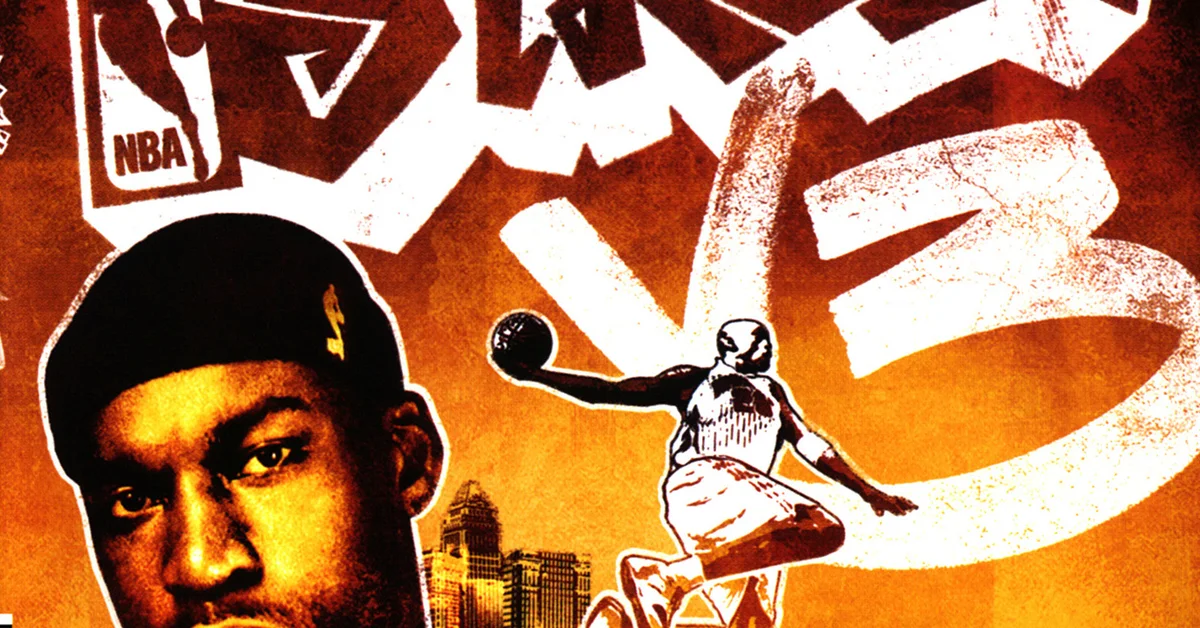
23. NBA Street V3
Co-op: Up to four players on one GameCube, so three can make up one 3-on-3 team against a computer side; team play against the computer rather than a co-op campaign; no online play on GameCube.
NBA Street V3 plays three-on-three, which makes it a natural fit for exactly three friends: each takes a player and the trio faces a computer side. The rules are pure street ball, with no fouls, no out of bounds and no game clock, only a shot clock, and games run to 21 with a two-point winning margin. The Trick Stick handles the flashy moves, and filling the Gamebreaker meter sets up a finishing dunk worth two to four points, with the ball passed between teammates on the way up, which suits three humans on one side. The GameCube version adds Mario, Luigi and Princess Peach as playable guests with a Mario-themed court, alongside real courts such as Rucker Park and Venice Beach and the Court Creator for your own. Our NBA 2K27 guides cover basketball today.
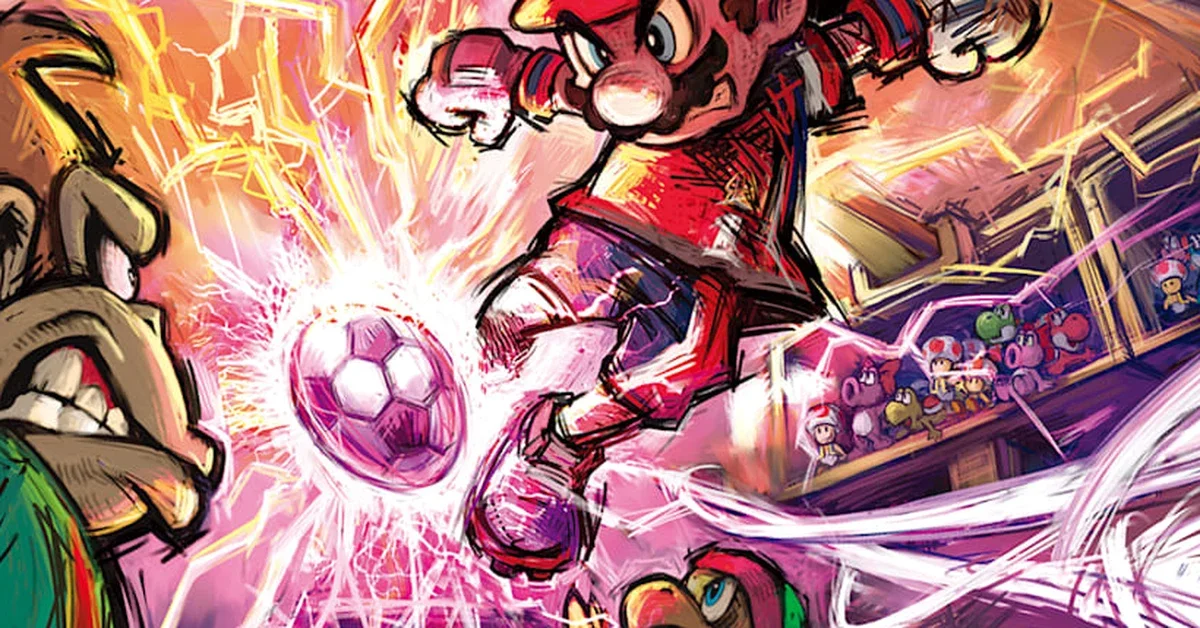
22. Super Mario Strikers
Co-op: Up to four players, and all of them can play on the same team against computer opponents, on one shared screen; team play against the computer rather than a co-op campaign.
Next Level Games’ five-a-side soccer game puts every human on one team against the computer, and it suits three people well. Each player controls a member of the same team, the computer handles the remaining teammate and the goalkeeper, and the Cup Battles let a group of up to four work through tournaments against computer teams together. Matches are fast and rough: tackling an opponent is encouraged, items fly, and Bowser sometimes appears on the pitch to cause trouble for both sides. With three humans, passing between friends to set up a charged Super Strike is the best part, and arguing about who should have shot is the second best. Play it today: Super Mario Strikers is in the GameCube library of Nintendo Switch Online + Expansion Pack on Switch 2, as of November 2026.
21. TimeSplitters: Future Perfect
Co-op: The story mode takes two players, but up to four can team up against computer-controlled bots in arcade matches on a split screen; online play was only on the PS2 and Xbox versions. Team play against the computer rather than a co-op campaign.
Future Perfect follows its predecessor’s pattern for groups: the time-travel story stops at two players, but arcade matches let three humans share a team against computer bots. The group sets the map, the weapon set and how many bots join, so a match can be anything from a warm-up to a siege. The mapmaker adds another layer, letting the trio build its own arena and fill it with bots before taking them on. Online play existed only on the PS2 and Xbox versions, which makes the GameCube disc a game for everyone in the room. It sits one place behind TimeSplitters 2’s arcade mode, which set the template, and ahead of the sports picks because the group is still fighting through real shooter maps.
20. TimeSplitters 2
Co-op: The story mode takes two players, but up to four can team up against as many as ten computer-controlled bots in the arcade mode, on a split screen; no system link on the GameCube version. Team play against the computer rather than a co-op campaign.
TimeSplitters 2’s famous co-op story stops at two players, but a group of three still gets plenty from it through the arcade mode. You can fill a match with up to ten computer-controlled bots, put all three humans on one team, and fight them across the game’s maps with whatever weapon sets you choose. The bots move in ways players cannot, rolling and somersaulting out of the way, so a team of three still has to stick together and cover angles. Because you choose the bot count, the map and the rules, it scales from a gentle warm-up to a real fight for a group that knows the game. The GameCube version has no system link, so everyone shares one console and one split screen. It ranks here because the story, its best mode, is limited to two.
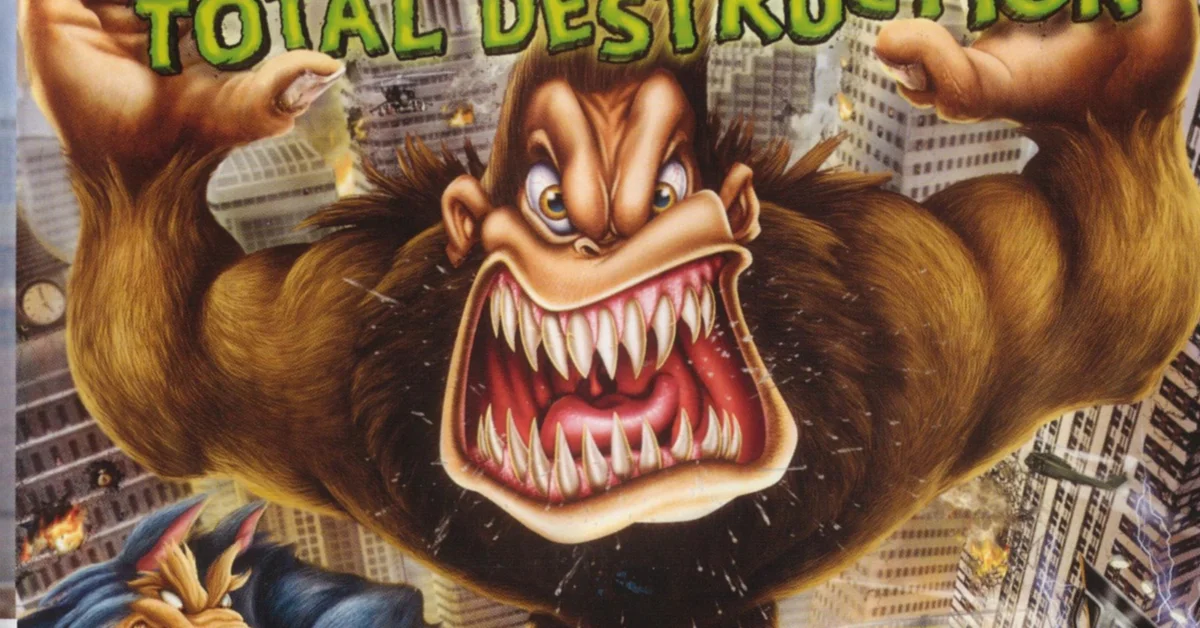
19. Rampage: Total Destruction
Co-op: Up to four monsters smash cities together on one shared screen in the campaign; King of the City and King of the World are the competitive modes; no online play.
Rampage: Total Destruction brings back Midway’s monster smash-’em-up, and its campaign has players working together to take out city after city around the world. Each monster climbs building fronts, punches through walls, eats people and hurls vehicles, and hidden tokens unlock new monsters and abilities as the group goes. Three monsters level a skyline far faster than one, which is the whole joy of playing it with friends. The original Rampage and Rampage World Tour are included as bonus games, so the disc covers the series’ history too. King of the City and King of the World turn the same smashing into a competition for up to four. Critics found it repetitive, which keeps it low among the true co-op picks, but anyone can pick up a controller and join in.
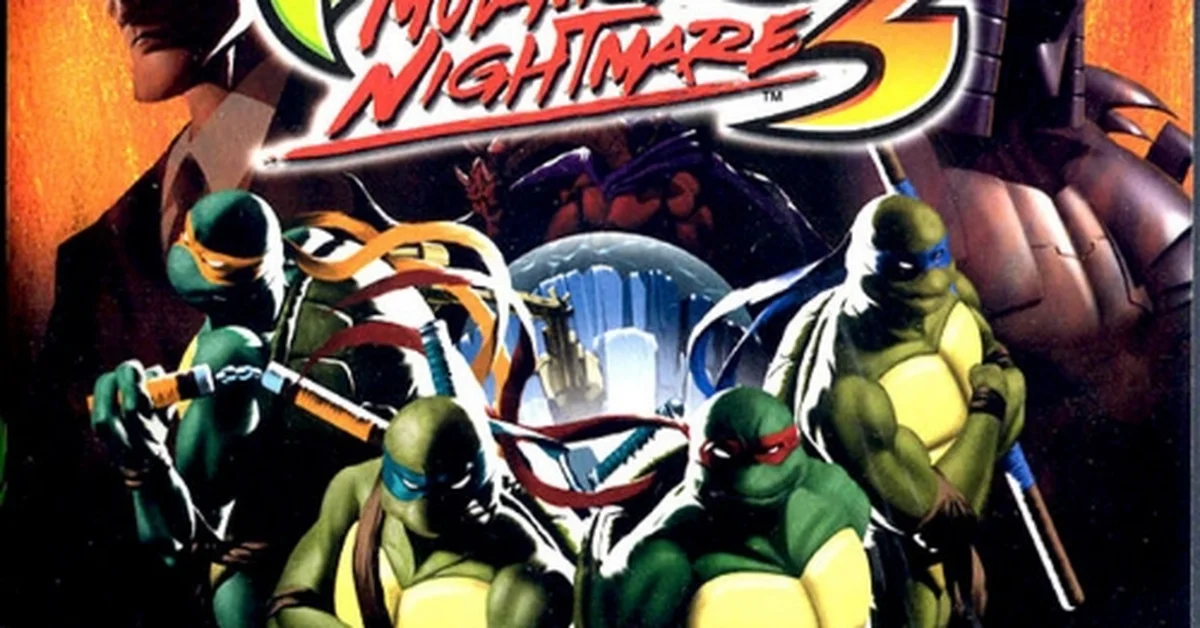
18. Teenage Mutant Ninja Turtles 3: Mutant Nightmare
Co-op: Up to four players through the story episodes on one shared screen; no online play.
Mutant Nightmare, Konami’s third Turtles game for the GameCube, follows the third season of the cartoon across four episodes, Space Invaders, Bishop’s Gambit, Exodus and The Nightmare, and it keeps room for four Turtles at once. Each player takes a brother, and team attacks are triggered with the D-pad, so three players can combine moves on a tough enemy instead of just fighting side by side. Clearing the first episode unlocks a slightly altered version of Konami’s 1991 arcade game Turtles in Time. Reviews were mixed at best, which is why it sits several places below Battle Nexus, but a group that enjoyed the second game gets another season’s worth of stages to clear together.
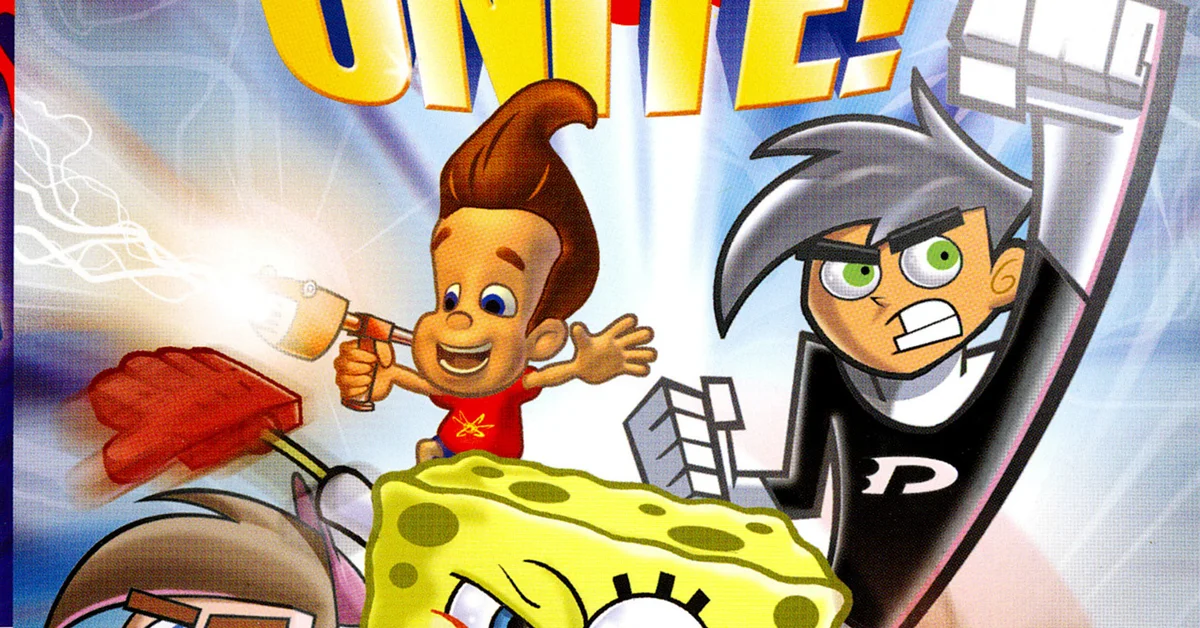
17. Nicktoons Unite!
Co-op: Up to four players on one shared screen, each controlling and switching between the four heroes; no online play.
Nicktoons Unite! teams up SpongeBob, Danny Phantom, Jimmy Neutron and Timmy Turner, and on consoles all four heroes are on screen at once. Up to four players can each take one and switch between them, so a group of three always has a full team in play. Each hero has tools for particular jobs: SpongeBob’s Bubble Bombs break pillars, Danny’s Ghostly Wail shatters glass, Timmy’s Freeze Glove turns water to ice, and Jimmy’s Neutron Flare hits from long range. Goddard, Jimmy’s robot dog, appears in all four worlds to upgrade the team’s weapons and abilities. The levels are simple and linear, so it suits families with younger players far more than a group of adults. THQ printed the one to four player count right on the North American GameCube box.
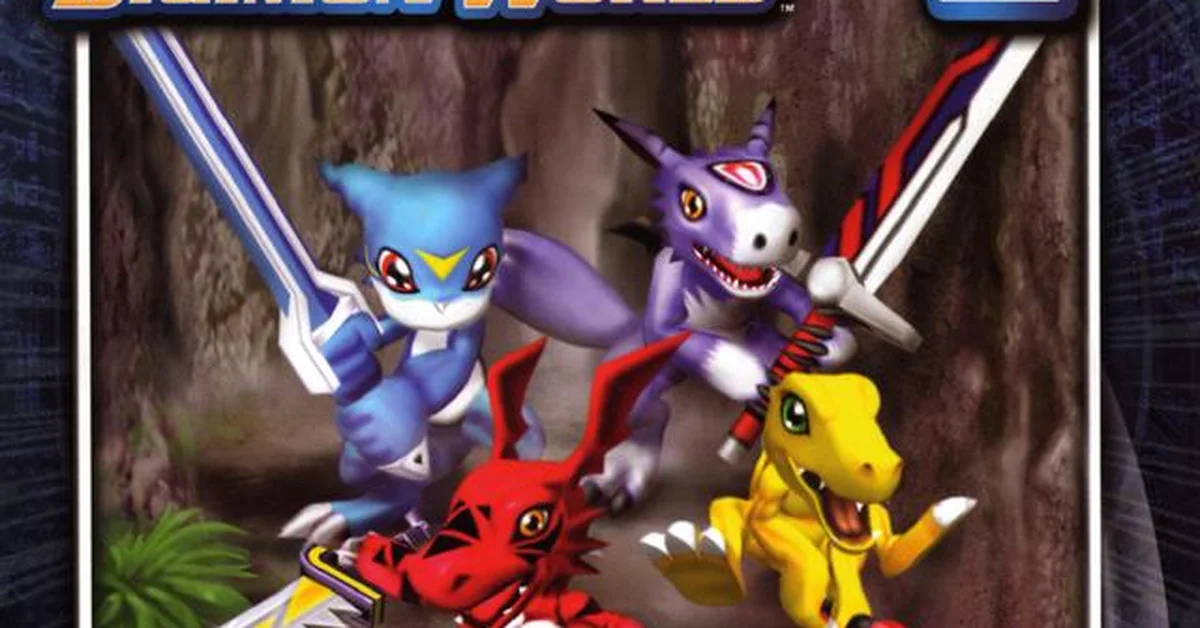
16. Digimon World 4
Co-op: Up to four players together on one shared screen; no online play.
Digimon World 4 swapped the series’ pet-raising roots for hack-and-slash action, and it was built so up to four players could fight side by side. Each player picks a partner Digimon, Agumon, Veemon, Guilmon or Dorumon, and arms it with swords, guns or axes, while Digivolution into stronger forms depends on how you play and the level you reach. The story is loosely based on the 2005 film Digital Monster X-Evolution. Critics found the single-player game frustrating and the co-op much better, which is exactly why it belongs here: with three friends on one screen, the tough enemies become manageable. It also drew comparisons to Final Fantasy Crystal Chronicles, without that game’s need for a Game Boy Advance per player.
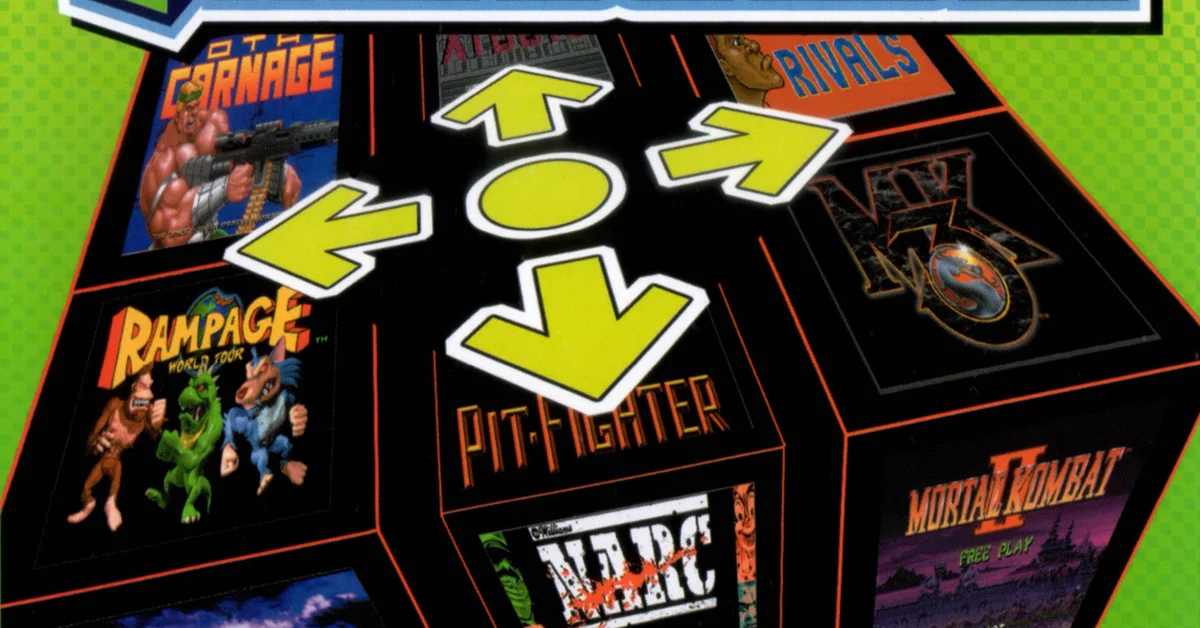
15. Midway Arcade Treasures 2
Co-op: Gauntlet II takes four players and Rampage World Tour three, both on one shared screen as in the arcades; no online play.
Midway’s second arcade collection gathers 20 more games, and its co-op highlights for a group are Gauntlet II and Rampage World Tour. Gauntlet II brings back the four heroes for another trip through monster-filled mazes, and Rampage World Tour gives three players a giant monster each to wreck cities around the globe. The rest of the disc leans on two-player and versus games, including Total Carnage, NARC, Xybots, Pit-Fighter, Primal Rage and Mortal Kombat II and 3. It is rated M, so it is not one for younger players. Two co-op classics on one disc earn it a spot, and a group that enjoys the first collection will want this one as well.

14. Conflict: Desert Storm II
Co-op: Up to four players through the campaign on one GameCube, so three can each lead a soldier; no online play.
Back to Baghdad returns the Conflict series to the Gulf War with a four-man team: Foley the marksman, Jones the engineer and explosives expert, Connors on heavy weapons and Bradley, the team leader who calls in airstrikes over the radio. On the GameCube, up to four people can play, so a group of three each takes a soldier with a clear job. Squad members nobody is playing still take orders such as follow me and fire at will, and soldiers earn promotions and medals as the campaign goes on. Its slower, tactical pace sets it apart from the arcade games around it on this list. It ranks below the first game, but a squad of three gets another full campaign to share.
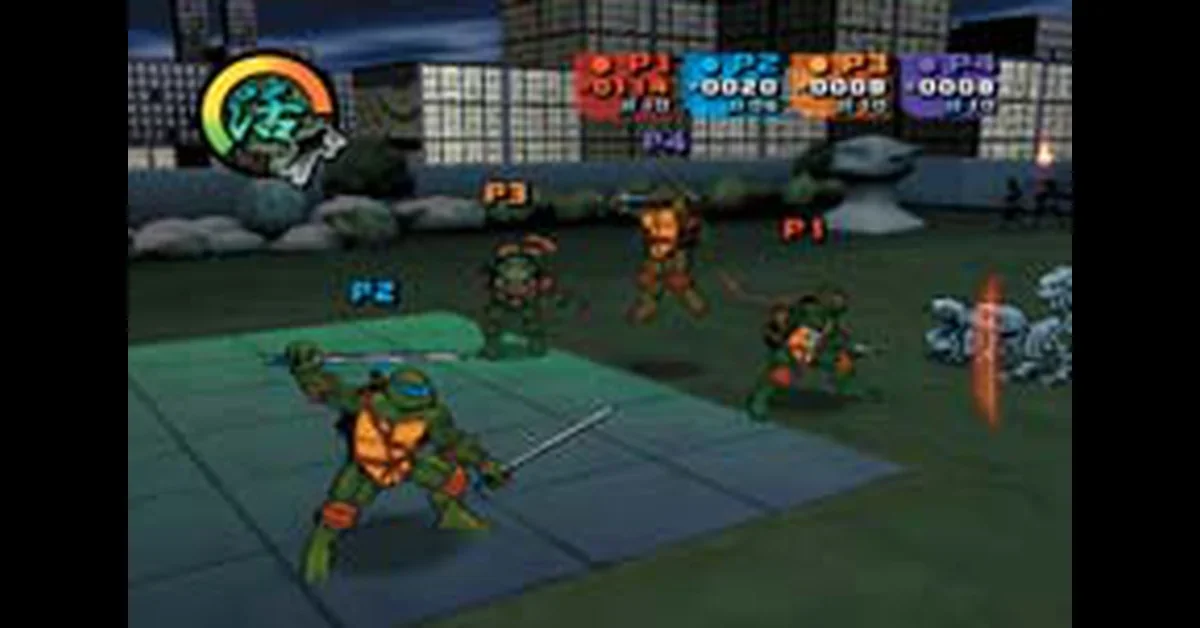
13. Teenage Mutant Ninja Turtles 2: Battle Nexus
Co-op: Up to four players through the cooperative Story Mode on one GameCube, all on one screen; the Battle Nexus mode is head-to-head; no online play.
Konami’s 2004 sequel was the first of the new Turtles games to let four people play at once, and its launch announcement led with that: the Story Mode, based on the second season of the TV series, is cooperative for up to four. Each Turtle has a job of his own, which gives a group of three a reason to spread out across a stage. Leonardo’s katanas slice through grates, pillars and bamboo, Raphael lifts heavy objects and shoves boxes and stones aside, and Michelangelo can fly with his nunchakus and guard against arrows. Stages sit on a map whose paths branch, every cleared stage keeps a rating you can go back and beat, and Konami says each player’s performance and choice of Turtle shape the story. The other mode, Battle Nexus, is versus, so it does not count here, but clearing certain conditions unlocks the original 1989 Teenage Mutant Ninja Turtles arcade game from the main menu. Reviews were mixed, which keeps it below the stronger games here, yet few GameCube games hand three players a full brawler story to share.
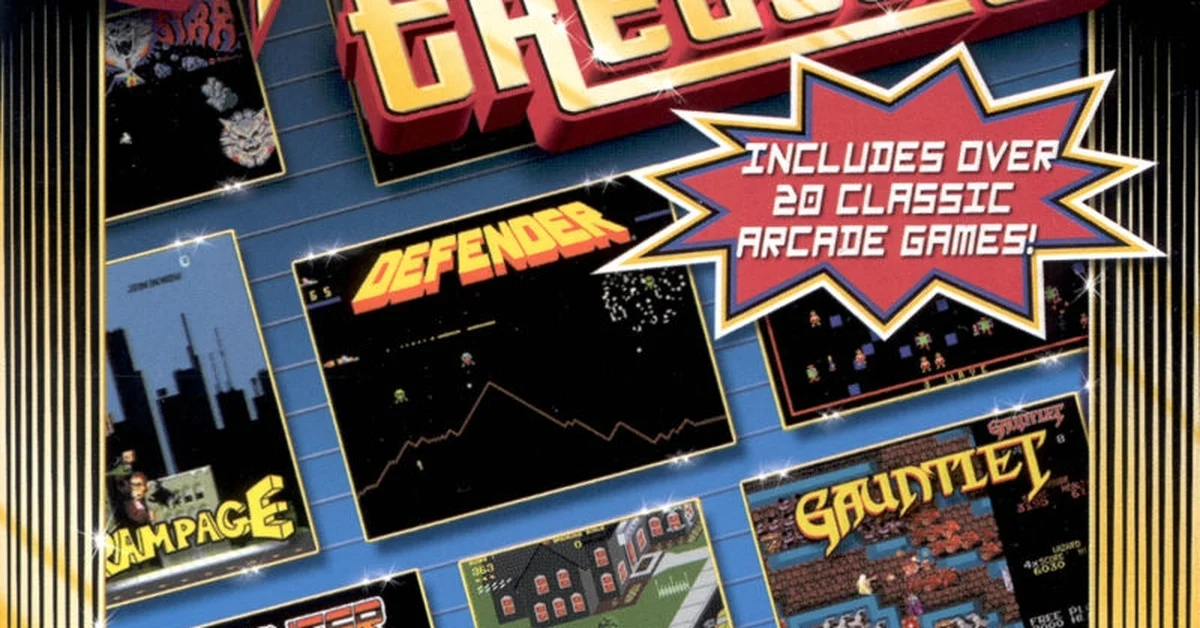
12. Midway Arcade Treasures
Co-op: Gauntlet takes four players and Rampage three, both on one shared screen as in the arcades; no online play.
Midway Arcade Treasures packs 24 of Midway’s arcade games onto one disc, and two of them were made for a group. Gauntlet puts up to four heroes, the Warrior, the Valkyrie, the Wizard and the Elf, into a maze crawl where everyone shares the food and fights over it. Rampage hands each player one of its three giant monsters to climb buildings and smash cities together. Around them sit classics such as Joust, Robotron 2084, Defender, Smash TV, Paperboy and Spy Hunter, plus histories and interviews in the extras. The GameCube release came out only in North America, on December 17, 2003. The games show their age, but for three friends it is two of the arcade’s great group games in one place.
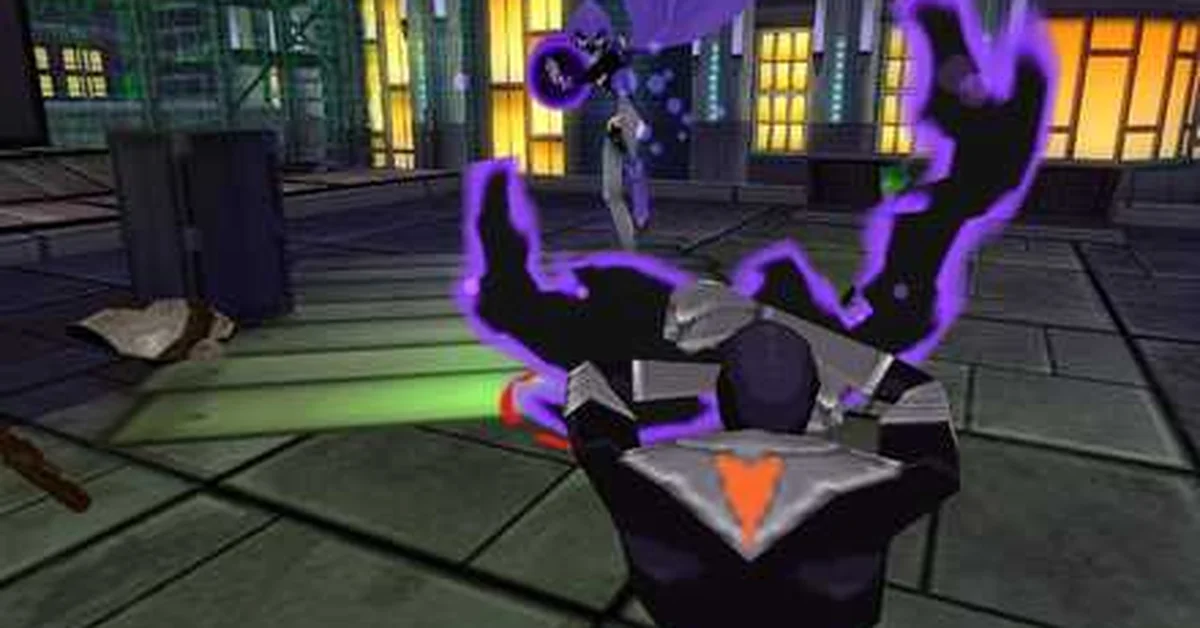
11. Teen Titans
Co-op: Up to four players on one shared screen through the story, switching between the five Titans at will; Master of Games is the versus mode; no online play.
With five Titans to choose from and room for four players, Teen Titans gives each member of a group of three a hero of their own, and anyone can swap to a different Titan mid-fight. The overhead camera keeps the whole team on one screen, and the story is drawn from the 2003 Cartoon Network series, with most of its voice cast back for the game. Three players can cover each other’s weaknesses: Starfire hangs back with ranged attacks, Cyborg holds the front, and Beast Boy’s transformations fill whatever gap is left. Fresh combos for each Titan unlock as the campaign goes on. Reviewers compared it with the cooperative brawlers of its day, and it is a lighter take on them, which places it mid-list. The versus mode, Master of Games, is a separate brawl with 31 characters to unlock.
10. Gauntlet: Dark Legacy
Co-op: One to four players cooperatively through the whole quest, all on one shared screen; no online play.
Gauntlet: Dark Legacy carries the arcade series’ hack-and-slash formula onto the GameCube, and Midway’s launch announcement in March 2002 sold it on cooperative play for one to four. Each of the eight heroes has different attributes along with their own combo moves and turbo attacks, so three players can build a party that mixes brawn and magic. The quest crosses eight realms, including the Ice, Town, Sky and Dream worlds that Dark Legacy added to the series, and asks the group to gather 13 rune stones before facing the wizard Garm, with more than 50 enemies and a string of bosses along the way. New power-ups for the GameCube version include the Mikey potion, which sends enemies after a magical decoy instead of you, and the Hand of Death, which drains life from them. Three players share a single view, so the screen gets busy when a horde arrives, and that chaos is the fun. It is more repetitive than the games above it, but it was made for a full group from the start.
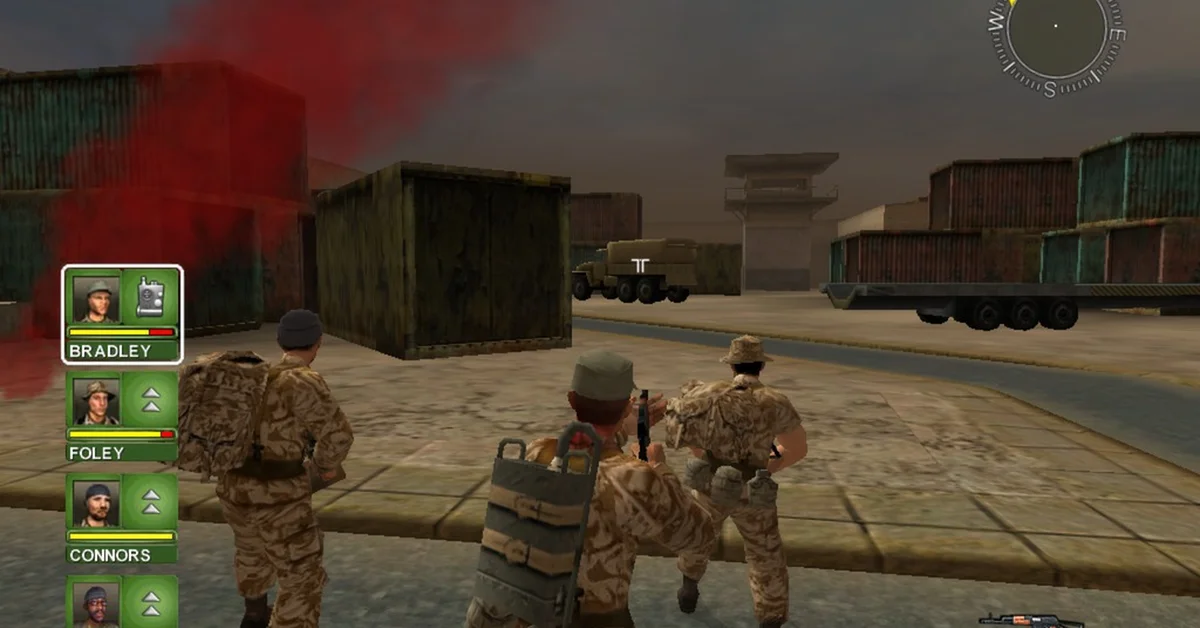
9. Conflict: Desert Storm
Co-op: Two to four players through the campaign on one GameCube; the PS2 version stops at two, and the PC version has no co-op; no online play.
Conflict: Desert Storm is the rare military shooter of its era that lets a full squad of friends play its campaign, and the GameCube and Xbox versions take up to four, twice the PS2’s limit. The game follows a British SAS or American Delta Force team through the Gulf War, and each of its four soldiers carries a different role, so three players can split sniping, heavy weapons and assault duties between them. Squad tactics matter more than reflexes: basic training teaches weapons, artillery, airstrikes and first aid before the campaign begins. Later missions hand the team vehicles, including a Humvee. It ranks this high because so few GameCube shooters let three people fight a whole campaign on one side.
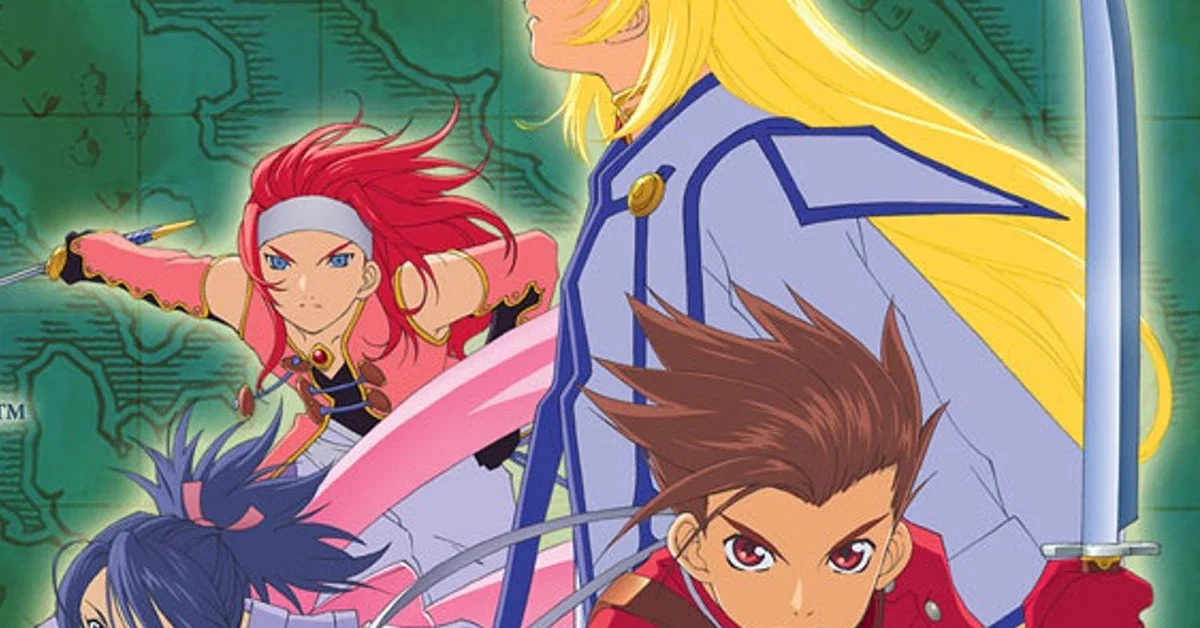
8. Tales of Symphonia
Co-op: Up to four players can each control a party member in real-time battles; exploration and the story are handled by one player; no online play.
Tales of Symphonia is a long RPG, but its battles are real-time action fights where every party member can be taken over by a human. That makes it one of the rare RPGs that a group of three can actually share. One player leads, usually as Lloyd, and handles the exploring, the menus and the story choices, while the other two jump in for every fight, each playing a different party member. Three humans fill most of a four-member battle party, so a front-line fighter, a healer and a spellcaster can all have a player behind them, and the computer handles only the fourth slot. The catch is obvious: between battles, two of you are watching. For a group happy to settle in for a long story together, it is the deepest game on this list. More Tales games are in our Tales series guides.
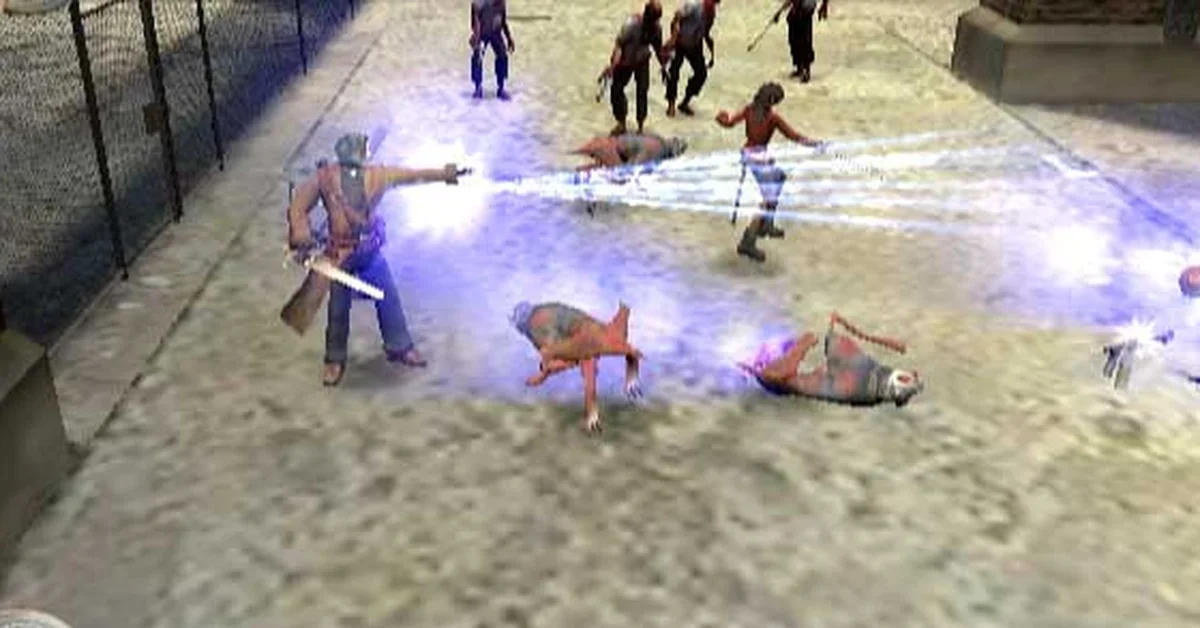
7. Hunter: The Reckoning
Co-op: One to four players through the whole campaign, all on the same screen; no online play.
High Voltage Software’s monster-hunting shooter was made for a group, and its official site sold it on exactly that: one to four hunters fighting evil together on the same screen. Each player takes one of four hunters, Deuce the biker ex-con, Father Cortez the prison chaplain, Kassandra the raver or Samantha the ex-cop, and the party fights through 23 environments, from a cemetery and a gothic church to a train station and a prison. Twenty types of monsters stand in the way, from zombies to vampires, along with seven bosses. With three players, the camera holds everyone in one view, and more than 20 melee, ranged and spell weapons let the group split into close-range fighters and long-range shooters. Movement Independent Targeting lets you run one way while firing another, which helps when enemies close in from every side, and each hunter’s skills and stats grow over the campaign. It is gory, with enemies taken apart limb by limb, so it suits an adult group far better than the family-friendly Shrek 2.
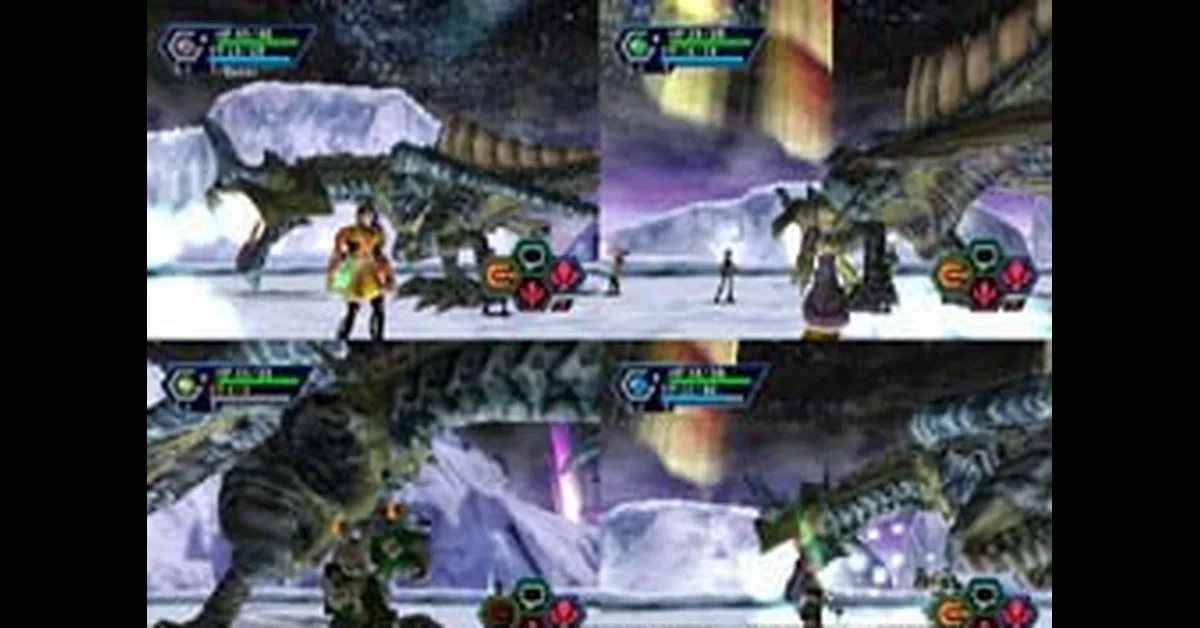
6. Phantasy Star Online Episode I and II
Co-op: Up to four players offline on a four-way split screen on one GameCube, through both episodes; the official online service has closed.
Phantasy Star Online Episode I and II gives each player their own quarter of the TV, and Sonic Team made a point of it when the GameCube version was announced: four players at once, offline, with no need to connect to the internet. Each player creates a character, picks a class and levels up through quests on the planet Ragol, so three friends can grow a team together over many evenings. The disc holds the whole first episode from the Dreamcast plus Episode II, which brings new areas such as a jungle and new bosses including Gal Gryphon. A group of three can cover the classic roles, one up front as a Hunter, one shooting from range as a Ranger and one healing and casting as a Force, much as parties did online in the game’s heyday. Sega’s servers are long closed, so the split screen is now the official way to play together. It ranks just below Shrek 2 because each quarter of the screen is small on an old TV, but for three friends who love chasing rare items, it is the best game here.
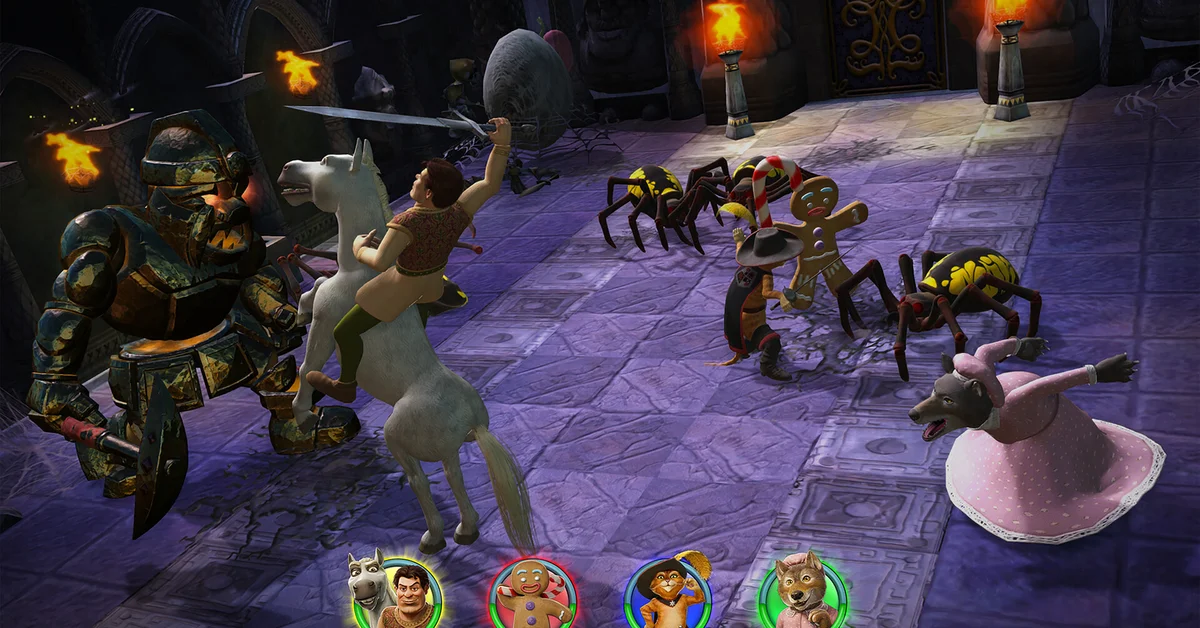
5. Shrek 2
Co-op: Up to four players together on one screen through the whole game; no online play on the GameCube version.
Shrek 2’s original release from 2004 is a co-op brawler built for four, and it works just as well for three. Each level puts a team of characters from the film on screen at once, with each player taking one, and the cast swaps around from chapter to chapter, from Shrek and Donkey to Puss in Boots and the Gingerbread Man. Because the characters fight differently, a group of three can divide the work, and the game keeps everyone on one shared screen with no splitting. The tone is light and the challenge is gentle, which makes it the best pick here for a group with younger players. Play it today: our guide to Shrek 2 Remastered’s online co-op covers the new version, which keeps four-player couch co-op and adds online play, and our Shrek guides cover the rest.
4. X-Men Legends
Co-op: Up to four players on one shared screen, with players added or removed at any time; certain missions are for one player; no online play on GameCube.
The game that started Raven’s X-Men series puts four mutants on the field at once, picked from a roster that grows as the story goes on, and each of them can be handed to a friend. Up to four people play the console campaign together, and they can come and go between fights. The story follows Alison Crestmere, a young mutant who can control volcanic activity, as she learns to use her powers at the X-Mansion while the team heads out on missions against Magneto. When two or more players aim their powers at one enemy at the same moment, it counts as a combo, so three players who coordinate rack up far more of them. Experience upgrades each hero’s four main powers. The drawback for a group is that certain missions are for one player, which ranks it just behind the sequel.
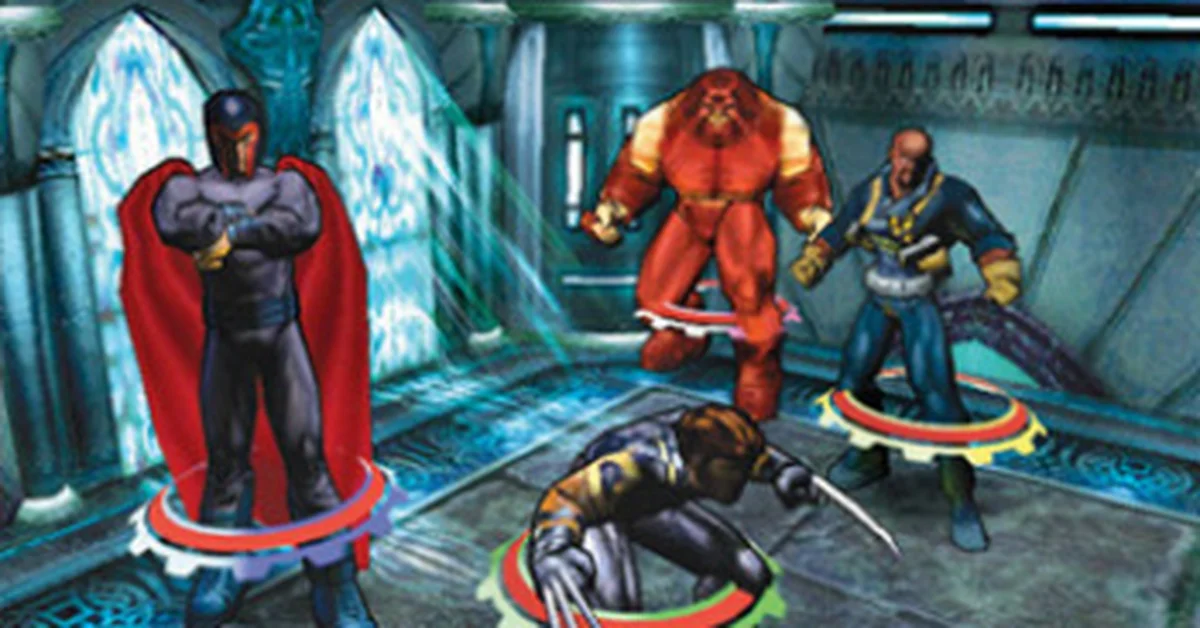
3. X-Men Legends II: Rise of Apocalypse
Co-op: Up to four players on one shared screen, joining or leaving at any time, so three can play the whole campaign together; online play was only on other versions.
Rise of Apocalypse is the best licensed brawler for three on the GameCube. Its story unites the X-Men with Magneto’s Brotherhood after Apocalypse rises to power, so the roster draws on heroes and former villains alike, and every slot in the four-mutant team can belong to a human. Raven reworked the co-op so a group can stay together the whole way through, dropping the first game’s solo missions. Three players can each take a mutant and leave the computer to run the fourth, then chain their powers into combos on the same target. Between missions the group can unwind in the hub with trivia questions that award experience, and the skirmish mode turns the team loose on waves of computer enemies. Anyone who drops out can rejoin later without restarting. For today’s Marvel games, see our Marvel guides.
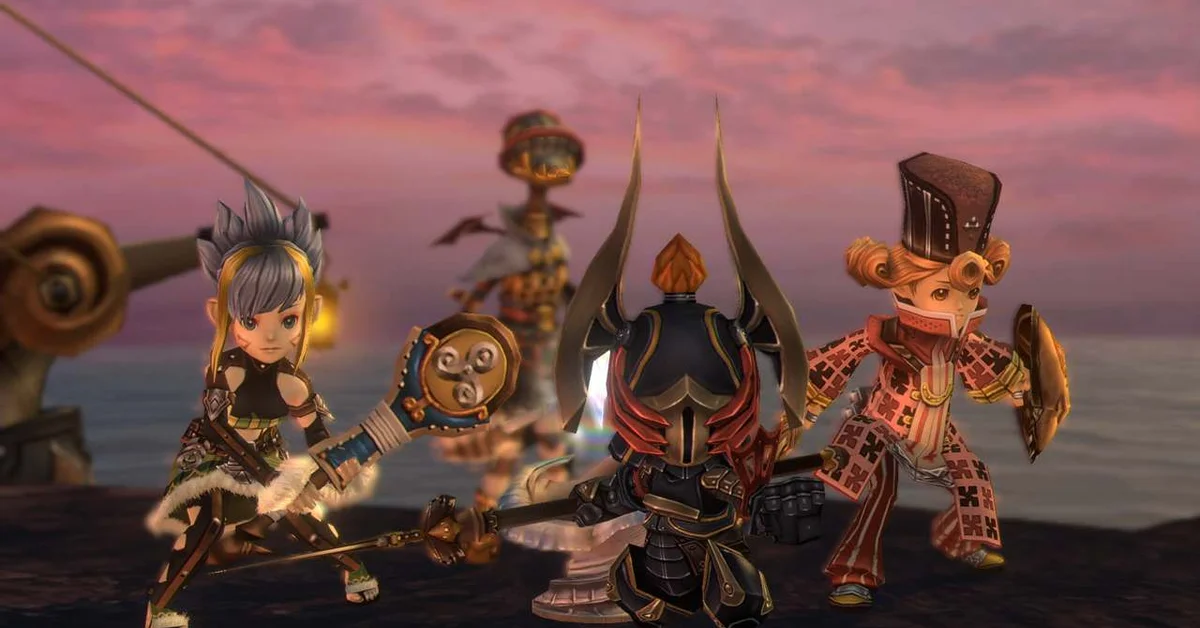
2. Final Fantasy Crystal Chronicles
Co-op: Up to four players through the whole adventure; in multiplayer, each player needs a Game Boy Advance connected with a GameCube Game Boy Advance cable; no online play.
Crystal Chronicles was built for a group, and three players is close to how it was meant to be played. Each player creates a hero from one of four tribes and uses a Game Boy Advance as their controller, with the handheld showing information only that player can see. The party travels in a caravan, and one of you carries the crystal chalice that keeps the poisonous miasma away, so the group has to move and fight inside its protective circle. With three, the chalice carrier can be swapped around while the other two fight, and spells can be fused together for stronger magic when players time their casts. The hardware is the barrier: three players need three Game Boy Advance systems and three link cables. Play it today: the Remastered Edition on Switch supports online play for up to four, per its Nintendo store page, but not local co-op on one console.
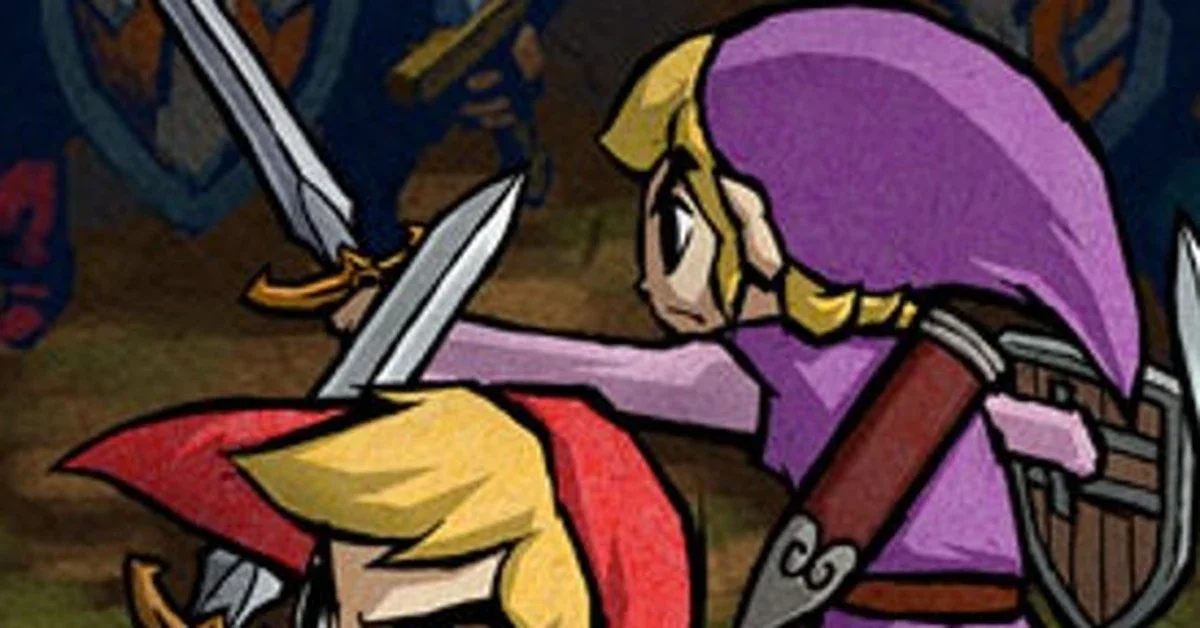
1. The Legend of Zelda: Four Swords Adventures
Co-op: One to four players through the main Hyrulean Adventure; in multiplayer, each player needs a Game Boy Advance and a GameCube Game Boy Advance cable; no online play.
Four Swords Adventures is the best three-player game on the GameCube because Nintendo designed its main campaign, Hyrulean Adventure, for a group of Links working together. Three players each control a Link, and the stages are full of puzzles that need several heroes at once: heavy blocks to push together, switches to hold down, enemies that have to be surrounded.
Every stage also asks the group to collect enough Force Gems to power the Four Sword, and if you fall short, you go back to gather more, so three players have to balance grabbing gems for themselves with helping the team. The Game Boy Advance link is part of the design: when a Link goes into a house or a cave, that player’s view moves to their handheld while everyone else carries on, so three people can explore in different places at once. For the newer Zelda games, see our Zelda guides.
What You Need for 3 Players on GameCube
The GameCube has four controller ports, so three players need only three controllers for every game here except two. Four Swords Adventures and Final Fantasy Crystal Chronicles are different: in multiplayer, each player uses a Game Boy Advance connected with a GameCube Game Boy Advance cable, so a group of three needs three handhelds and three cables. Midway Arcade Treasures came out on GameCube only in North America, so look for that edition. Progress saves to a GameCube Memory Card in every case.
4 Player GameCube Co-Op Games
Almost every game here also takes a fourth player on the same side. Four Swords Adventures and Crystal Chronicles need a fourth Game Boy Advance, Phantasy Star Online splits the screen four ways, and both X-Men Legends games, Gauntlet: Dark Legacy, Hunter: The Reckoning, Shrek 2, Teen Titans, Digimon World 4, Nicktoons Unite! and both Turtles games put four heroes on one screen. The two exceptions are NBA Street V3, whose teams hold three players, and Super Smash Bros. Melee, where a fourth human leaves no slot for the computer opponent. For the console before the GameCube, see our best 3-player co-op games on N64.
How We Chose
A game qualified only if three people can play on the same side at the same time on one GameCube. That rules out the many two-player co-op games, which we ranked in our best 2-player co-op games on GameCube, plus party games and anything where players take turns. True co-op games come first. Below them sit six entries where the humans team up against the computer rather than through a co-op mode, each labelled in its Co-op line: the arcade matches of both TimeSplitters games, Super Mario Strikers, NBA Street V3, the Academy mode of Star Wars: The Clone Wars and the Team Battle setting of Super Smash Bros. Melee. Player counts come from Nintendo’s and the publishers’ pages where they exist, from manuals, box art and archived official sites for the older games, and from facts that independent sources agree on, and we judged each game as it plays on the GameCube. We ranked them on how good the co-op is for exactly three players, with critical reception deciding close calls. For the console’s best games overall, see our best GameCube games of all time.
Frequently Asked Questions
What are the best 3 player GameCube games? For co-op, The Legend of Zelda: Four Swords Adventures is our pick, followed by Final Fantasy Crystal Chronicles, X-Men Legends II: Rise of Apocalypse, X-Men Legends and Shrek 2. Phantasy Star Online Episode I and II, Hunter: The Reckoning and Tales of Symphonia complete our top eight.
Can 3 people play X-Men Legends II on GameCube? Yes. Up to four players share one screen, and anyone can join or leave at any time. The first X-Men Legends also takes four, though a few of its missions are for one player.
Can 3 people play Phantasy Star Online on GameCube without going online? Yes. Episode I and II supports up to four players offline on a four-way split screen, so three players each get their own quarter of the screen.
Can 3 people play TimeSplitters 2 co-op? Not in the story mode, which takes two players. Three or four players can team up against computer-controlled bots in the arcade mode, and TimeSplitters: Future Perfect works the same way.
Do you need a Game Boy Advance for 3 players in Four Swords Adventures? Yes. In multiplayer, each player needs a Game Boy Advance and a GameCube Game Boy Advance cable, so three players need three of each. Final Fantasy Crystal Chronicles has the same requirement.
Can 3 players be on the same team in Super Smash Bros. Melee? Yes. In Team Battle, three players can take one team color and fight a computer fighter on the other, with its skill set anywhere from level 1 to 9. Melee has no co-op story mode.
Can you play 3 player GameCube games on Switch 2? Super Mario Strikers is in the GameCube library of Nintendo Switch Online + Expansion Pack as of November 2026, so three players can team up on one Switch 2.