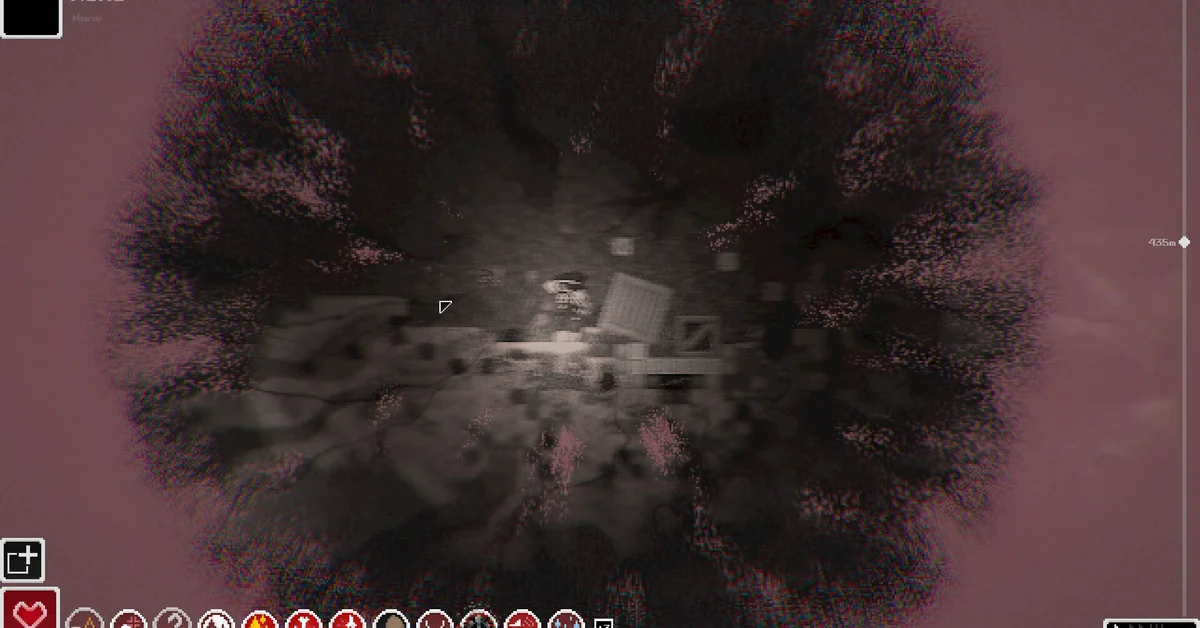
The main way to get scrap metal in Casualties: Unknown is to break the metal traps you find in the caves, such as sprung bear traps, barbed fences and spike traps, which drop scrap metal when destroyed. You can also dig it out of steel blocks and scrap piles, and you merge small, worn pieces into one to bring their condition up for crafting.
Scrap metal is one of the most used materials in Casualties: Unknown. It goes into your first knife and digging tool, it can be placed as a block to climb with, and traders take it as payment. This guide covers every source, which ones are worth the risk, how condition works, and what to spend it on.
Where to Find Scrap Metal
Scrap metal is, in the game’s own words, bits and pieces of steel from destroyed machinery. Anything metal that the planet’s earlier expeditions left behind is a potential source:
| Source | How to get scrap from it | Risk |
|---|---|---|
| Bear traps | Break a trap after it has sprung, or dig out the block under it | Low once sprung, high if you step in it |
| Barbed fences | Break the fence or the block beneath it | Low if you stay clear of the wire on top |
| Spike traps | Break the trap from the side | Medium: it does not always drop scrap |
| Coils, sawblades and other machinery | Break them once you can reach them safely | Medium to high |
| Landmines | Destroying one drops scrap, but in poor condition | High |
| Turrets | They drop scrap and a circuit board when destroyed | Very high: they fire, and they explode as they break |
| Steel blocks | Dig through them; the 7.0 patch notes gave them a chance to drop scrap | Low, but slow to dig |
| Scrap piles | Break the pile; it only sometimes drops a piece, in low condition | Low |
Wooden structures are not a source. The 1.0 patch notes changed wood blocks so they only ever drop wood scraps, so scaffolding and wooden bridges will not give you metal.
The Safest Sources in the Early Layers
Bear traps and barbed fences are the best scrap in the early game, because they drop it reliably and in good condition. The catch is getting to them without getting hurt.
- Spot the trap first. Bear traps have a small red light above them and are easy to miss in the dark, so carry a light. Our guide to lighting a torch covers an early light you can make yourself.
- Never cross it to reach it. Approach from the side you came from, and break it with your tool, or dig away the block it sits on so it drops.
- Mind the wire on a fence. A barbed fence only hurts when you touch the wire along its top, but a fall onto it causes a lot of small bleeding wounds at once. Stand beside it, not above it.
- Pick up everything it drops before you move on, because the caves are full of gaps a loose piece can fall into.
Leave turrets alone until you have a reason and a plan. They hit hard, they can still fire while you work on them, and they blow up when they break. Any trap that goes off near you can leave fragments in your body, and our guide to removing shrapnel covers how to get them out.
How Scrap Metal Condition Works
Every piece of scrap metal has a condition percentage, and it matters more than the number of pieces you carry. Traps drop scrap anywhere from badly worn to perfect, and many recipes want a piece in high condition.
You can fix that yourself. Drag one piece of scrap metal onto another to combine them, and the condition moves into a single piece. Merge your low pieces together until you have one near 100%, and keep that for crafting.
Placing scrap as a block uses up a quarter of its condition each time, so a full piece gives you a few blocks to climb on. Keep one high-condition piece on you for exactly that: building a step up a wall you cannot jump is often the difference between a dead end and a way down.
What to Use Scrap Metal For
- Your first tools. The flimsy knife is one of the first things you can craft, and it is built from scrap. The makeshift digging tool, a scrap metal head tied to a handle, comes soon after.
- Crafting materials. Scrap metal melts down into a scrap cube with a little bio-chem fluid, and a cutting tool turns a cube into scrap panels and scrap tubes, which feed later recipes. Cubes also weigh less than loose scrap, so they are a good way to store it.
- Ammunition. Scrap panels go into casings, and casings into pistol, rifle and shotgun rounds.
- Climbing. Place it as a block to make your own steps, as above.
- Locked doors. Some areas sit behind a scrap-eater, a machine labelled “Insert scrap to open”. Feed it enough scrap metal and the door beside it opens.
- Trading. Scrap metal works as currency with survivors, so spare pieces can pay for medicine or food at a life pod.
Bio-chem fluid comes from lumalgae, and the 1.0 patch notes added a way to boil lumalgae down into it. Our guide to boiling water covers the heat source you will need for that kind of recipe.
Frequently Asked Questions
What is the fastest way to get scrap metal in Casualties: Unknown? Break the metal traps you pass, especially bear traps that have already gone off and barbed fences. They drop scrap reliably, and you pass plenty of them on the way down.
Why does my scrap metal have low condition? Some sources, like landmines and scrap piles, drop worn pieces. Drag pieces onto each other to merge their condition into one.
Can you get scrap metal from wood blocks? No. Since the 1.0 update, wood blocks only drop wood scraps.
Can you trade scrap metal? Yes. Scrap metal works as currency with the survivors you meet in life pods, so spare pieces can pay for what they sell.
Is it worth destroying turrets for scrap? Rarely in the early game. A turret drops scrap and a circuit board, but it can shoot you while you work on it and it explodes when it breaks.