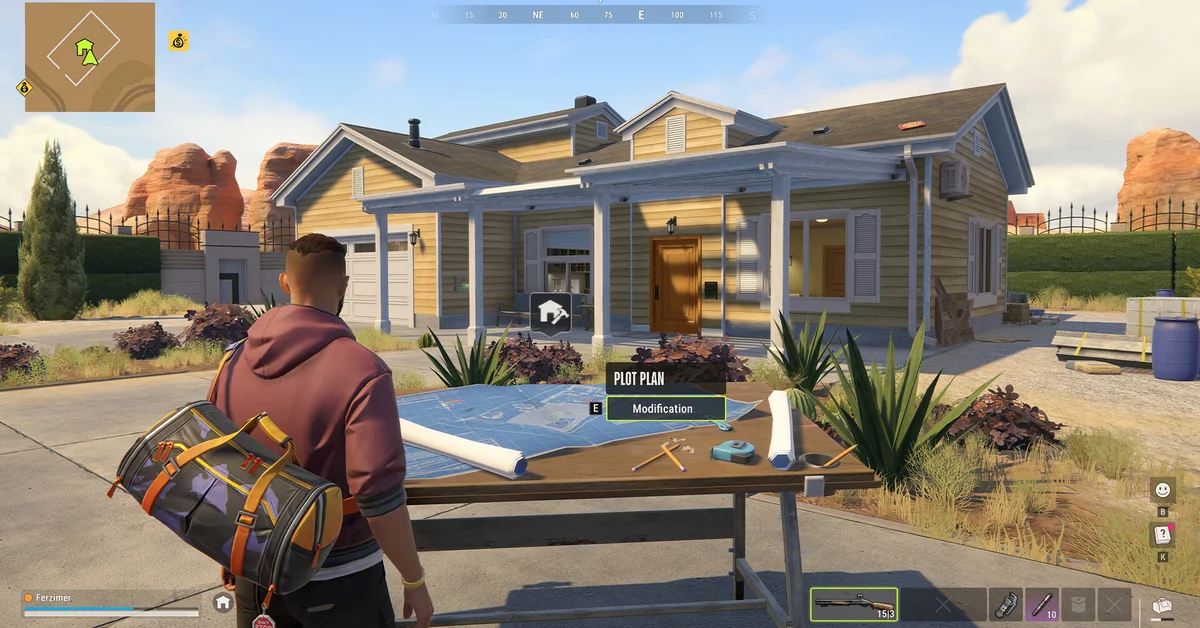
To raid a base in ROB RUN, use a decoder on the owner’s Security System. Kefir’s help center says that gives you “temporary access to their building”, and warns you to act fast, because “the owners can repair the system and lock you out.” Inside, you are after stolen goods, cargo and cash that has not been laundered yet.
Decoders are the scarce part, so most of a good raid happens before you reach the door. Here is how to pick a target, how the break-in works, what you can take and how to get it home.
Before You Go: Decoders, a Target and a Crew
Decoders. Kefir’s FAQ says the breach decoders needed to break into a base “aren’t bought off a shelf”, so “raiders have to pick their targets wisely.” Our guide to where to get decoders covers every source and how many a Trailer or Small House takes.
A target worth the decoders. Kefir’s Base Management post tells defenders to “blend in to seem like a waste of rare breaching tools”, so a plain base may be plain inside too. The richer targets are bases running businesses. Kefir’s November 4 changes “massively increased” profits from farms, labs and contraband, and raised how much cash a laundering desk can hold.
The defense you face. Every fuse in a Security System makes attackers spend “far more time and resources”, according to Kefir’s defense answer. Our guide on where to get fuses covers the owner’s side of that. Kefir also tells owners to equip security modules “on your structures”, so a base with several buildings can take more than one hack. The building matters too: our guide on how to buy a house compares the base defense of the Trailer and the Small House.
A crew. A party holds up to three. Kefir’s heist advice splits a job into breaking in, hauling loot and providing cover, and that maps neatly onto a raid. Our party size guide covers how to group up.
How the Break-In Works
- Drive out to the base. Bases sit on the global map’s desert districts, and Kefir’s Global Map post calls the desert “a lawless wasteland” where “any player can try to take your life.”
- Get onto the plot. A fence slows you down without stopping you. Kefir’s November 13 FAQ says fences “weren’t designed to be the ultimate protection” and that “getting over the fence doesn’t automatically grant access to what’s inside your buildings.” Kefir also says it will work on making territory harder to breach on foot or by car, so expect this step to get tougher.
- Use your decoders on the Security System. Each one lowers its defense until you are through. Our decoder guide has the install time and the numbers.
- Assume the owner knows. Kefir’s help center says defense modules alert allies to an attack, and our guide on sharing a house covers alarms that warn the owner or a whole clan.
- Grab and go. Your access is temporary, and a repair locks you out.
What You Can Take, and What You Cannot
You can take what the owner keeps in the building. Kefir says a base stores “money, cargo, and other valuables”, and its help center warns owners that stolen goods kept there can be raided. Cash still on a laundering desk has not reached the owner’s account, as our guide on how to launder money explains.
Plan around what stays out of reach:
- Laundered money. Kefir says “laundered cash is safe from thieves.”
- Safes. A decoder opens the building, not the safes in it. Kefir’s own example is that “a key can unlock a safe”, and our guide on where to find keys covers them.
- The car and the plot. Kefir’s FAQ says taking a player’s car means taking “their whole house with it”, through a raid that wipes the base and needs an “ultra-rare raid item”. Our guide to whether your car can be stolen explains that item.
- A shortcut. Kefir said on Telegram that its server checks stop anyone from getting into another player’s house with cheats, as our cheats guide covers.
Getting Out With the Loot
The raid is not over until the goods are somewhere safe:
- Do not die on the drive home. Kefir’s death rules say death in the desert “always means losing all your loot.”
- Expect the owner back. The Base Management post says a base becomes an extra respawn point for its owner, and that “allies can hold off raiders better than any defense module.”
- Bring the right car. Kefir’s November 4 changes stopped the Buletti from carrying shipments, so take something that can haul cargo.
- Do not park full in the city. Kefir says any player can lockpick your trunk “at any time, anywhere in the city.”
- Sell or store fast. Cargo goes to the Smuggler, per our cargo guide. Every district has a hub with “significantly higher” prices than Looty Bay, which Kefir’s Global Map post says “comes with its own dangers”.
- Launder the cash. Put it through your desk and deposit it before someone raids you back.
Kefir’s wipe page says plots, bases, weapons and cash are wiped every seven days, so a raid’s haul is for this cycle only. The ROB RUN guides hub has the rest of our coverage.
Frequently Asked Questions
How do you raid a base in ROB RUN? Use a decoder on the owner’s Security System. Kefir says that gives you temporary access to the building until the owners repair it.
Can you raid a base while the owner is offline? Kefir describes no offline raid protection. Its answer to that question is that “your primary defense is investing in base fortification.”
Can you steal laundered money in a raid? No. Kefir says laundered cash is safe from thieves, so a raid is about goods, cargo and unlaundered cash.
Can you take a player’s car or plot in a raid? Only through a raid that wipes the whole base, which Kefir says needs an extremely rare, loot-only item.
Do decoders open safes? No. A decoder works on a building’s Security System, and Kefir’s example is that a key unlocks a safe.