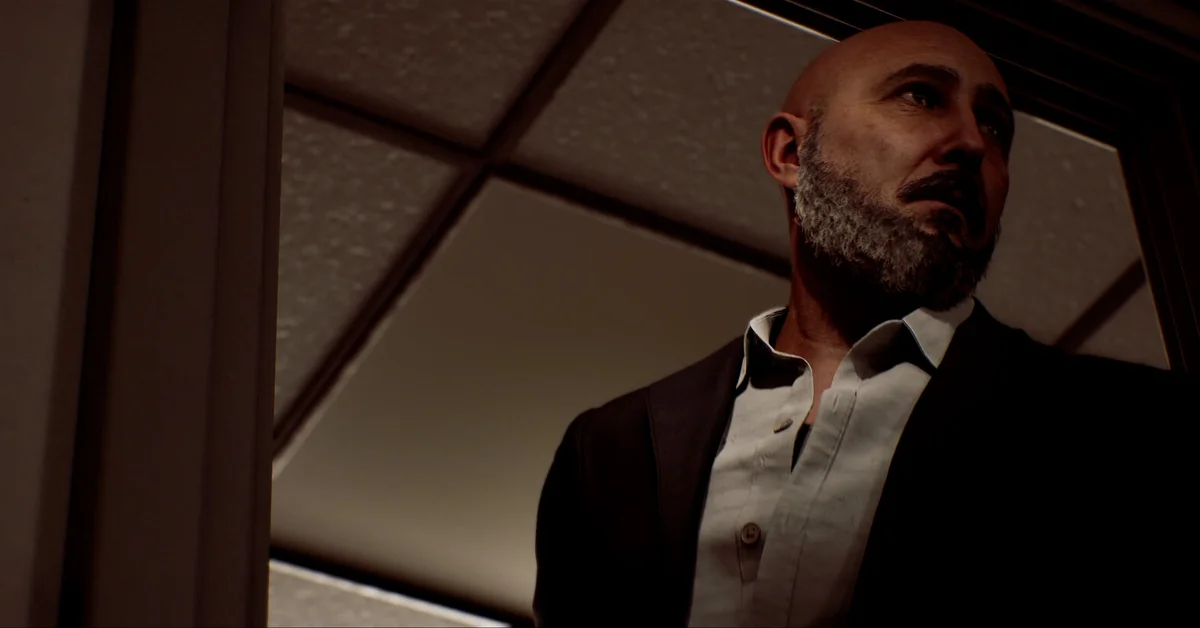
Silent Hill: Townfall has two separate difficulty settings: one for combat (Story, Normal or Nightmare) and one for puzzles (Normal or Hinted). You pick each independently, and early guides published at the review embargo report that both can be changed from the game options at any time without reloading a save.
That split matters because Townfall’s two halves are very different. Some players want tense fights and easy puzzles; others want the reverse. Here is what each option does.
Combat Difficulty: Story, Normal and Nightmare
Story is for players who are here for St. Amelia and its mystery. Encounters are more forgiving, and you are far less likely to get stuck replaying a stealth section.
Normal is the intended experience. Resources are tight, particularly ammunition early on, and enemies punish carelessness without making every fight a wall.
Nightmare is for returning players and horror veterans. The most notable change reported so far is that on Nightmare, enemies can spot your flashlight, which turns the light you rely on into a liability and pushes you toward moving in the dark.
Because the game also offers flight and stealth rather than forcing fights, the combat setting shapes how often you choose to hide in a locker versus swing a pipe. Our Silent Hill guides hub collects everything we cover on that side of the game.
Puzzle Difficulty: Normal and Hinted
Townfall’s puzzles run on everyday 1990s objects and notes you find around town, and some reviewers found a few of them obtuse.
- Normal gives you the clues and leaves the deductions to you.
- Hinted highlights relevant items and marks important clues in red, which is enough to keep you moving without handing you the solution outright.
If you are sensitive to losing momentum in a horror game, Hinted is the safer choice. The dread of Townfall comes from atmosphere, and it evaporates fast when you spend forty minutes re-reading the same note.
What the Developers Recommend
According to early guide coverage, the developers suggest Normal combat with hints turned on for a first playthrough. It keeps the fights tense and the pacing intact, which is the balance the game was built around.
We agree with that as a default. If stealth sections start to grind you down, drop combat to Story mid-run rather than quitting; the flexibility to switch is the whole point of separating the settings.
Does Difficulty Affect Trophies or Endings?
Trophy guides published at launch report that no trophies are tied to a difficulty level, so there is no penalty for playing on Story. The New Game Plus trophy can reportedly be earned on any difficulty.
Endings are not tied to difficulty either. What the game tracks is how much you explore and investigate and how you handle confrontation, not which setting you picked. For how long a run takes at different paces, see our how long to beat guide.
Our Suggested Setup
- First run, most players: Normal combat, Hinted puzzles.
- Here for the story: Story combat, Hinted puzzles.
- Puzzle fans: Normal combat, Normal puzzles.
- Second run in New Game Plus: Nightmare, once you know the town.
On PS5, the DualSense adds its own layer regardless of difficulty: haptics for enemy footsteps and adaptive triggers per weapon, which Konami detailed in its PS5 features breakdown.
Frequently Asked Questions
Can you change difficulty in Silent Hill Townfall mid-game? Early reports say yes: both combat and puzzle difficulty can be changed from the options menu without reloading.
What is the hardest difficulty? Nightmare, where enemies can reportedly see your flashlight.
Are there difficulty trophies? Trophy guides report none, so Story mode costs you nothing on the trophy list.
What does Hinted puzzle mode do? It highlights relevant items and shows important clues in red without giving away solutions.