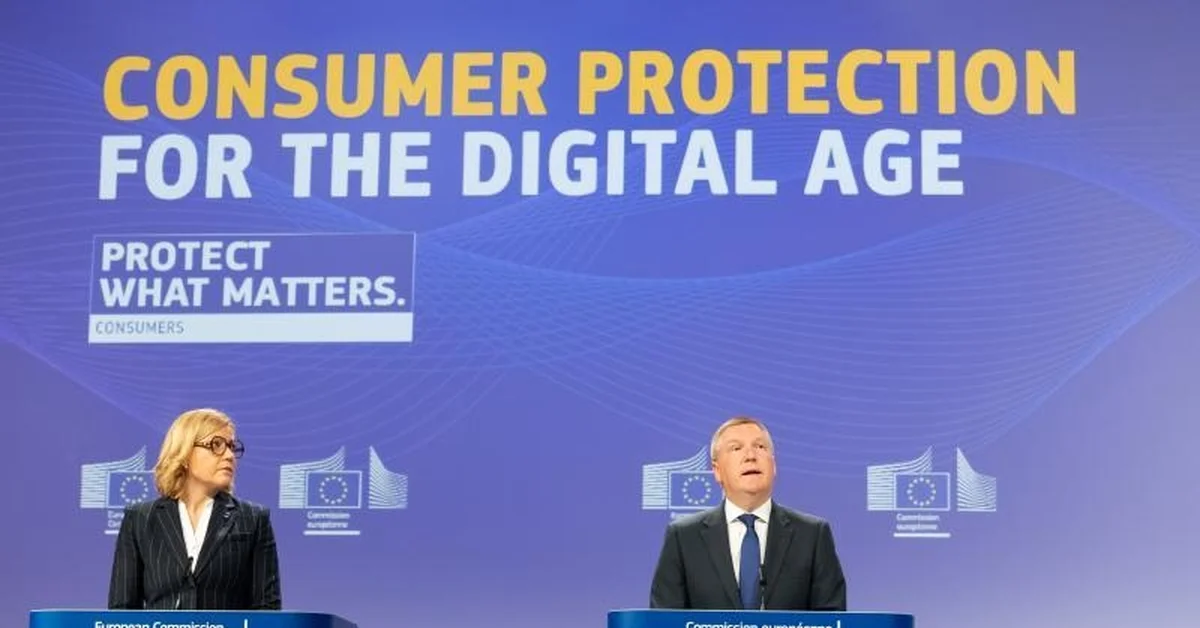
The European Commission proposed banning loot boxes, pay-to-win and pay-to-progress features for minors on November 11, 2026, as part of its new Digital Fairness Act. The same proposal would make games show what purchases made with in-game currencies cost in real money.
It is a proposal, not a law yet. The Commission says the European Parliament and the Council will now discuss it, and it has not given a date for when the rules would start to apply.
What the Proposal Changes in Games
The Commission’s questions and answers on the package spell out the parts aimed at games:
- Loot boxes: banned for minors. The Commission defines them as paid virtual items that give a random reward.
- Pay-to-win and pay-to-progress: also banned for minors, grouped with loot boxes as features that encourage gambling-like behavior.
- Virtual currencies: companies would have to show clearly what purchases made with virtual in-app currencies are worth in real currency, and for minors those currencies would be turned off by default.
- Addictive design: players of any age would get the option to turn off design features that push excessive or compulsive spending, such as persistent prompts.
- Dark patterns: manipulative tactics, like a fake claim that something is almost sold out, would be banned.
The rest of the package reaches beyond games. Digital subscriptions would be easier to cancel, unwanted automatic renewals and free trials that turn into paid plans would end, and consumers would get the right to reach a human in customer service. A revised enforcement regulation would let the Commission investigate large cross-border cases directly, with fines of up to 6% of a company’s worldwide annual turnover. The Commission expects the package to save EU consumers up to 13.7 billion euros a year.
How the Games Industry Responded
GAME, the German Games Industry Association, said in a press release the same day that “the current draft is unworkable and disproportionate,” and warned it would weaken the competitiveness of the European games industry.
What This Means for Players
Nothing changes in your games today, and nothing will until the Parliament and the Council agree on a final text. If the proposal passes as written, games sold in the EU would have to stop offering loot boxes and pay-to-win items to minors, keep in-game currencies switched off for them by default, and show every player the real-money price behind a store currency.
Until then, our guides on earning V-Bucks without spending money in Fortnite and getting Warframe Platinum without paying cover the free routes into two of the biggest store currencies. For a free-to-play game where the pay-to-win question comes up constantly, see whether AION 2 is pay to win. And for a recent look at paid random rewards in a big game, see how Fortnite published its Treasure Hunters drop rates.
Source: European Commission press release and Q&A on the Consumer Package, November 11, 2026. Photo: European Commission, © European Union, 2026.